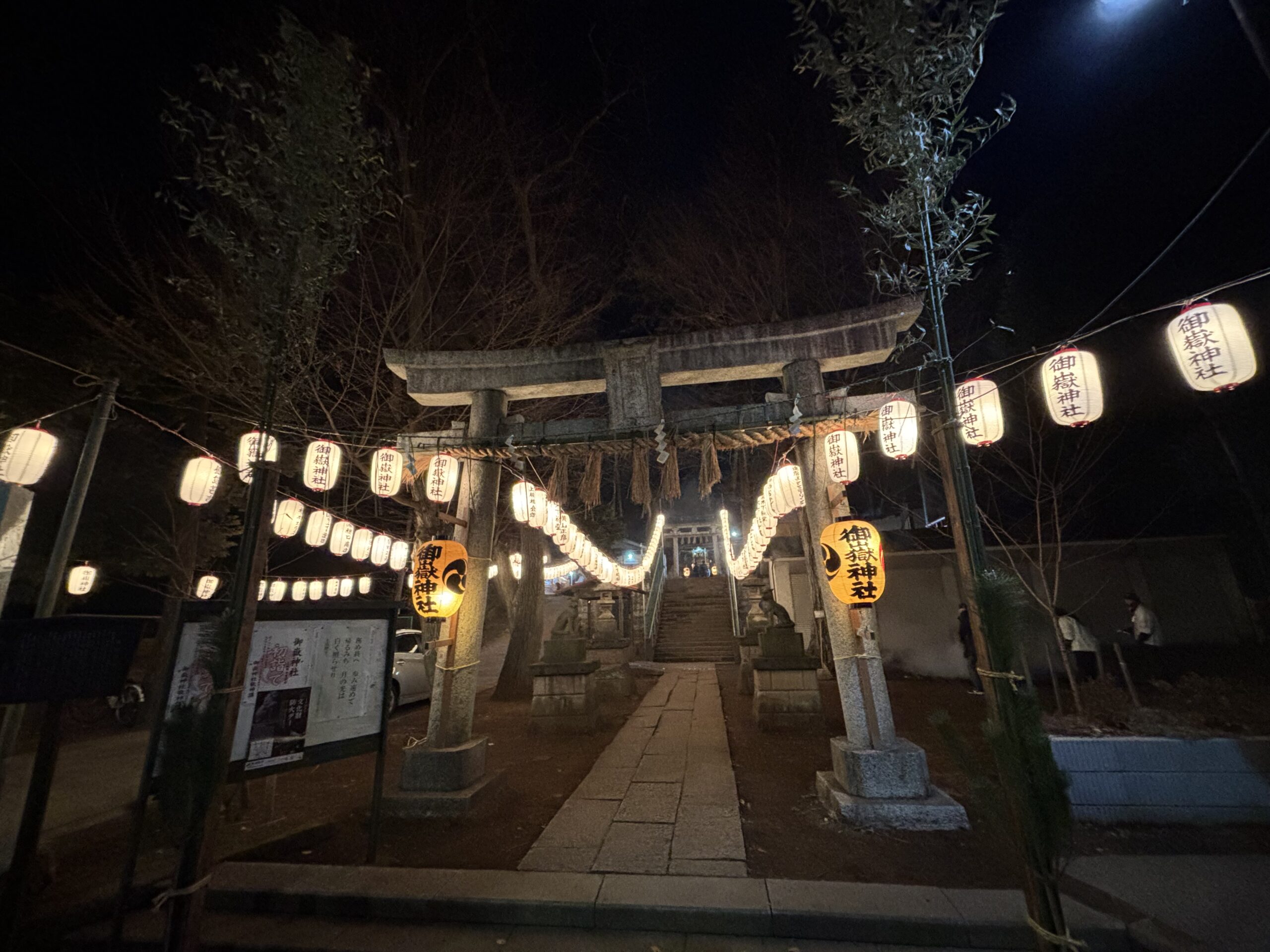
Everyday Beliefs, Traditions, and a Personal Perspective
Today, I’d like to talk a little bit about how we spend the New Year in Japan. 🎍
This is my personal perspective as someone who lives here, and I know that experiences and feelings can vary from person to person.
On Japanese Spirituality
First, I’ll share my view on Japanese spirituality, though I’m sure every Japanese person has their own opinion.
Most Japanese people don’t have a strong sense of belonging to a specific religion. We celebrate Christmas, visit Shinto shrines for the New Year, and often hold funerals at Buddhist temples. While there are many religious events, we rarely have the chance to formally study theology.
It’s more like a vague, everyday feeling that “God” or “Buddha” exists and should be respected. The idea that gods reside in everything—from food like rice and vegetables to nature such as mountains and rivers—might be somewhat unique compared to many other cultures.
Generally, we tend to prioritize science and social rules over religious doctrine. I don’t feel that I follow a specific religion either, which is why many Japanese people may struggle to give a clear answer if asked about their faith. For many, it’s simply a vague sense that “God or Buddha might exist.”
In Japan, there is also a strong awareness of “purifying oneself from impurities” (kegare), and the New Year is a time when this mindset becomes especially visible.
Year-End Preparation: O-soji and Kagami Mochi
 The ways people spend the New Year have become quite diverse. Some people now travel abroad, while younger generations may welcome the New Year at izakayas (Japanese pubs).
Still, many families spend this time together. As the end of the year approaches, we do O-soji, a large-scale annual cleaning. We clean every corner of the house, including places we usually neglect. By removing the dirt and dust of the past year, we prepare ourselves to welcome the New Year with a fresh mindset.
We also display Kagami Mochi to welcome the Toshigami (the New Year deity). Kagami Mochi consists of two round rice cakes—one large and one small—stacked on top of each other. Their shape is said to symbolize a mirror or even the human heart, and they are displayed with prayers for good health throughout the coming year.
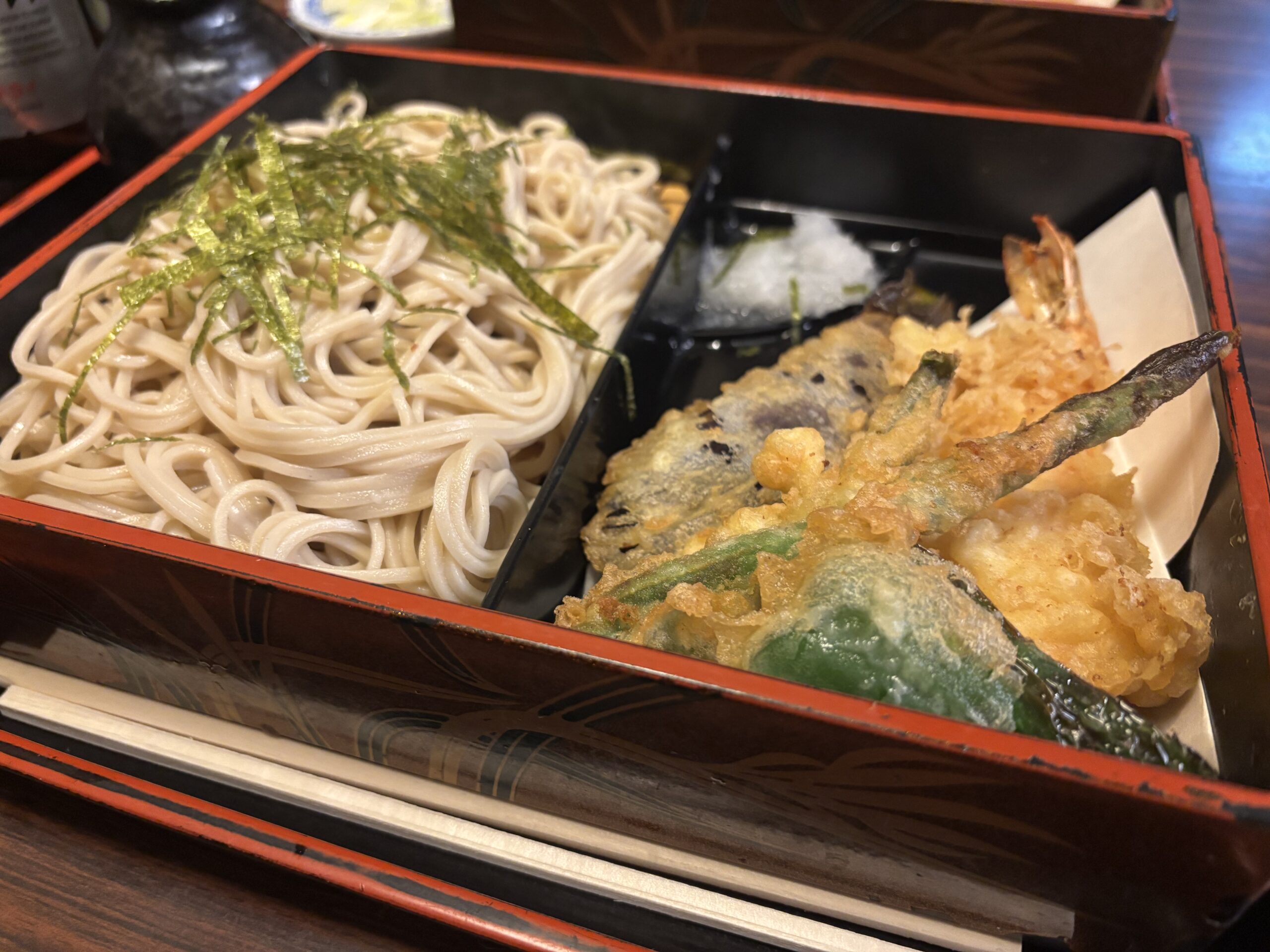
On New Year’s Eve, eating Toshikoshi Soba (year-crossing noodles) is essential. Because soba noodles are long and thin, they represent wishes for longevity and good health. Also, since soba is easier to cut than other noodles, it symbolizes “cutting away the hardships and misfortunes of the past year.”
Greetings: “Akemashite Omedetou”
When the year turns, we greet each other with “Akemashite Omedetou.”
This phrase means sharing the joy of safely welcoming a new year together. We say it to family members, friends, neighbors—anyone we meet for the first time in the new year.
The New Year is one of the biggest events in Japan. Many companies close for the holidays, and people take time to reset for the year ahead. Common traditions include Hatsumode (the first shrine visit of the year) and Hatsuhinode (watching the first sunrise).
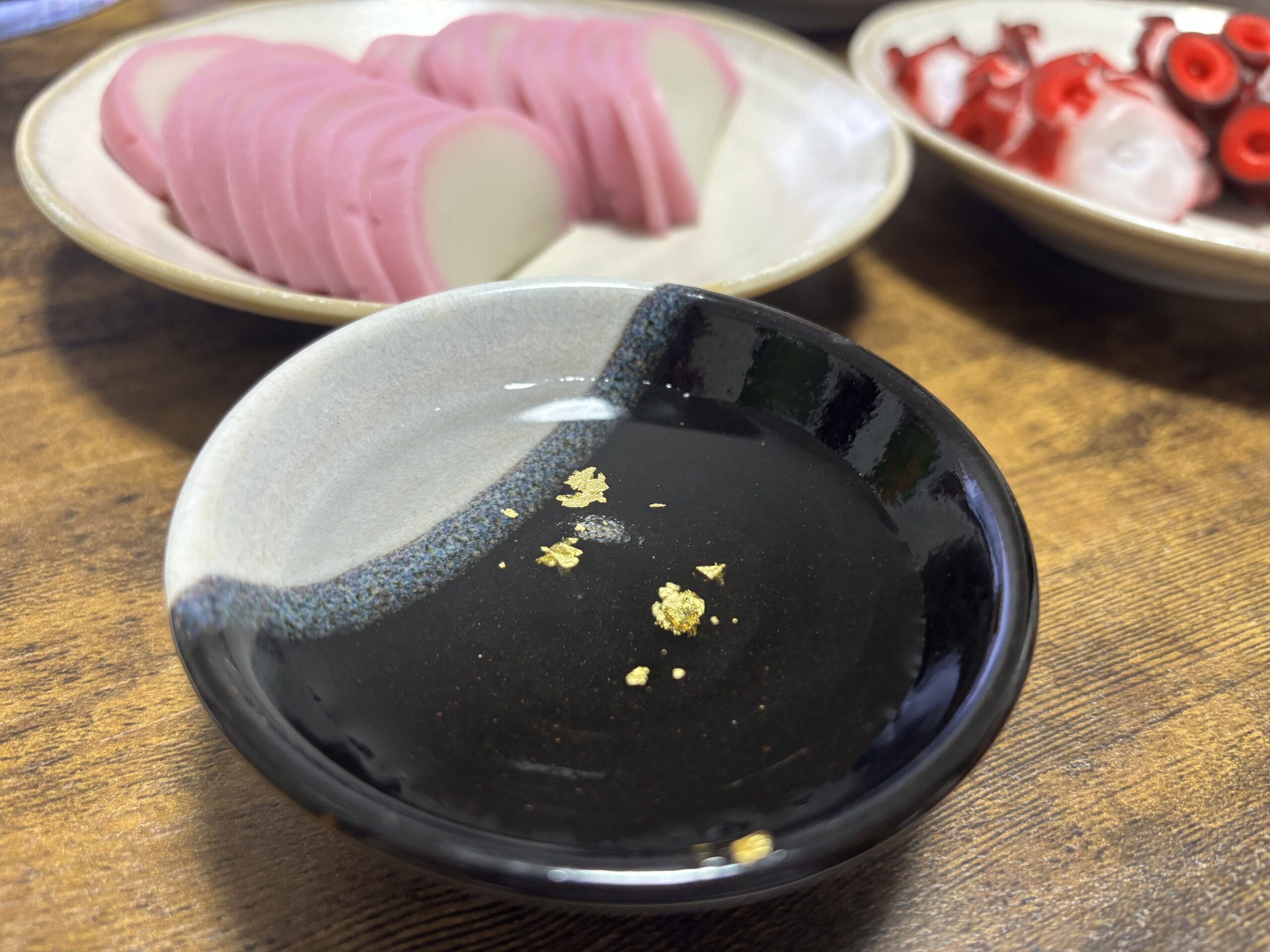
We also eat special New Year foods such as Osechi-ryori, mochi, and Zoni (a soup containing mochi). Many Osechi dishes are foods that are eaten almost exclusively during the New Year and include traditional, sometimes unusual, recipes.
These foods carry symbolic meanings for good luck, but there is also a practical explanation: in the past, most shops were closed during the New Year, so foods that could be prepared in advance and stored for several days were preferred.
There is also a ritual of drinking Omiki (sacred sake). 🍶
Sake is believed to have purifying powers. Once offered to the gods, it becomes Omiki, and drinking it is said to bring protection, good health, and freedom from illness.
“Otoshidama”: A Highlight for Children
For Japanese children, the biggest highlight of the New Year is Otoshidama. This is a custom where adults give money to children when relatives gather.
It is said to have originated from sharing mochi that symbolized the “spirit” granted by the New Year gods. Today, the money is usually placed in small decorative envelopes called pochibukuro. I still remember how genuinely happy I felt receiving them as a child.
The First Sunrise and Community Shrine Visits
Hatsuhinode refers to the sunrise on January 1st. 🌅
By watching the first sunrise of the year from places like mountains or the seaside, people pray for abundance and good fortune in the year ahead.
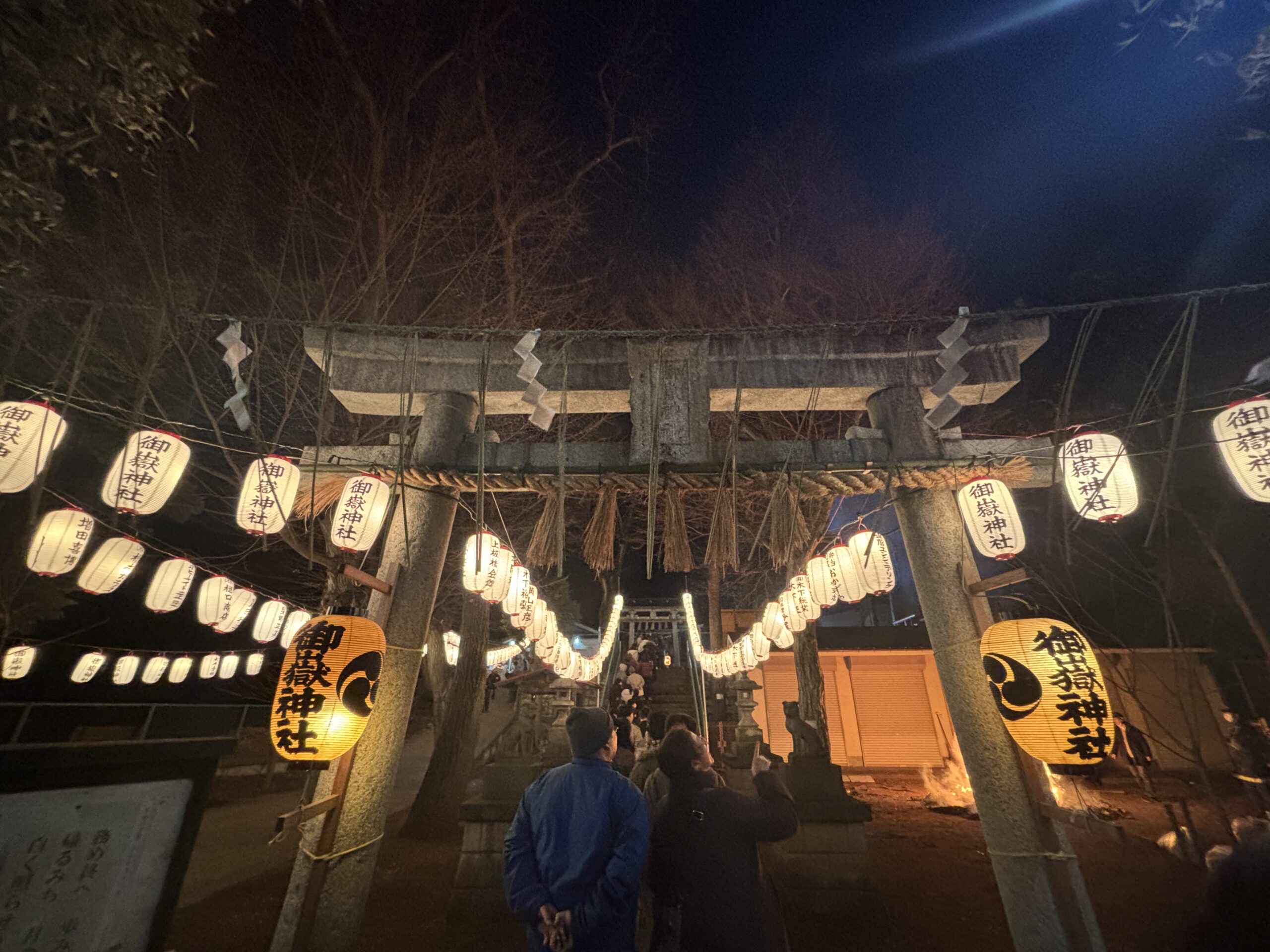
Around midnight, shrines often become crowded with people visiting for Hatsumode. At famous shrines such as Senso-ji or Meiji Jingu, it can take hours just to reach the altar.
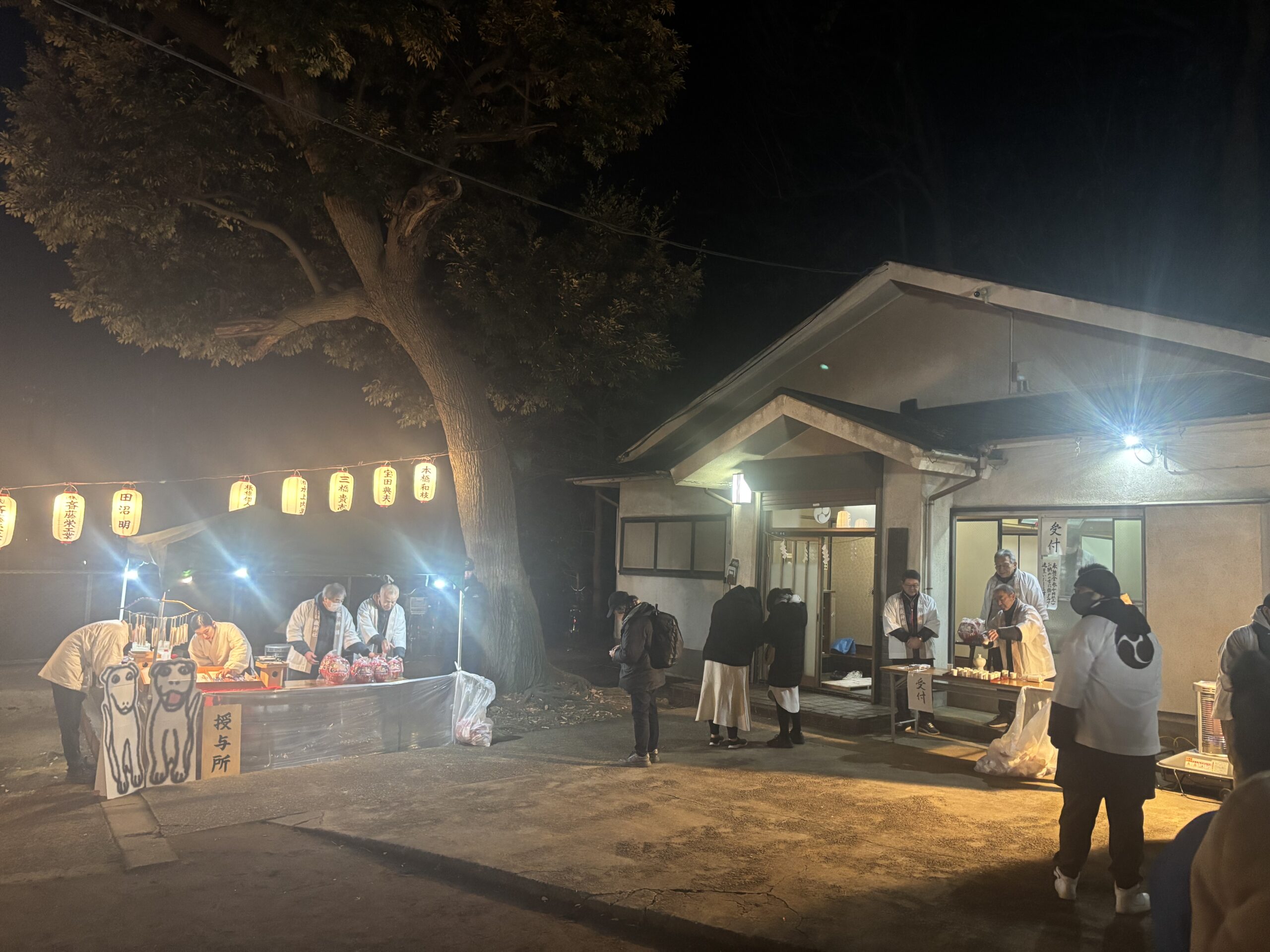
On the other hand, smaller neighborhood shrines offer a much more intimate, community-centered experience. Local residents often volunteer to serve Omiki or Amazake.
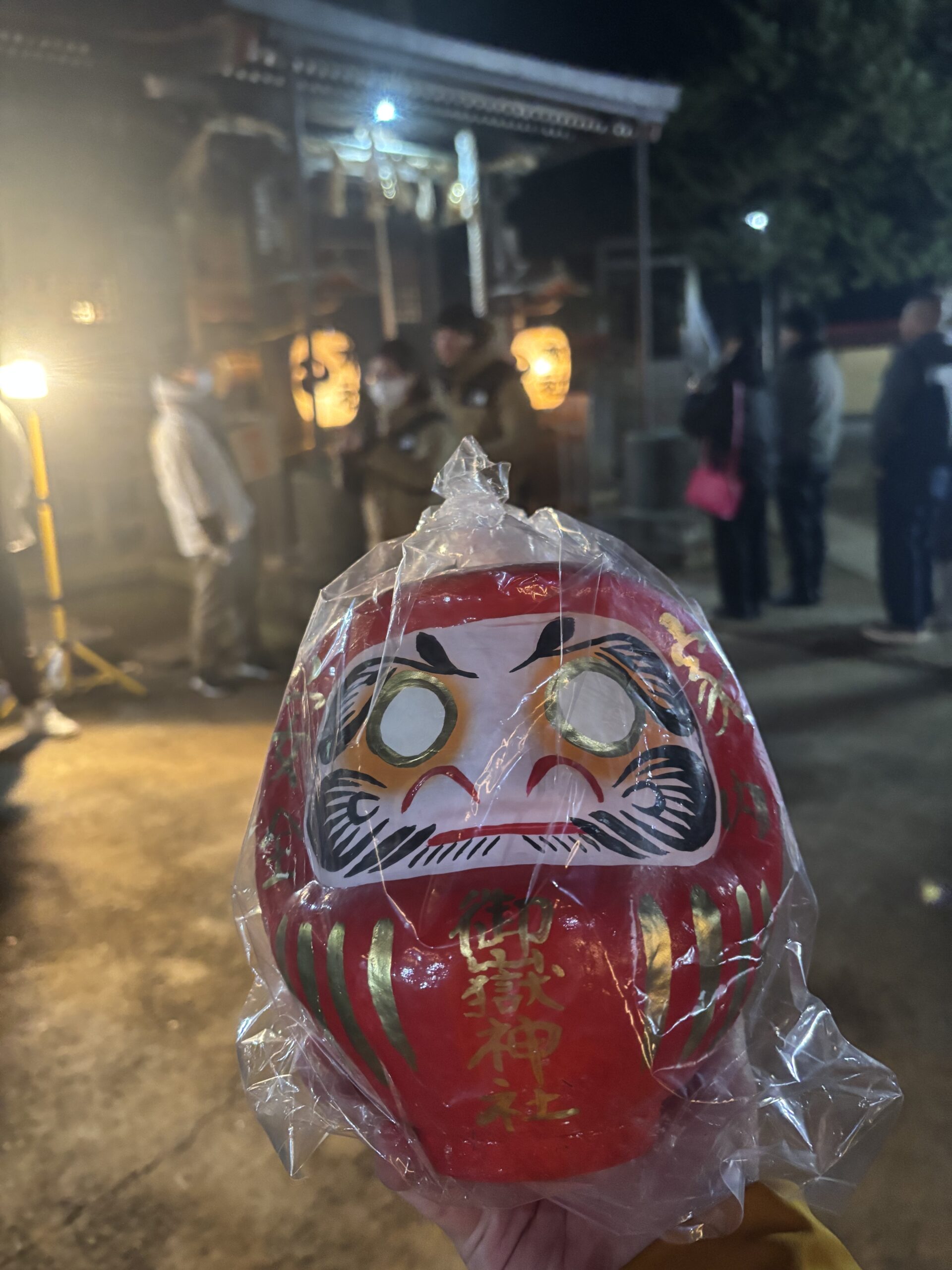
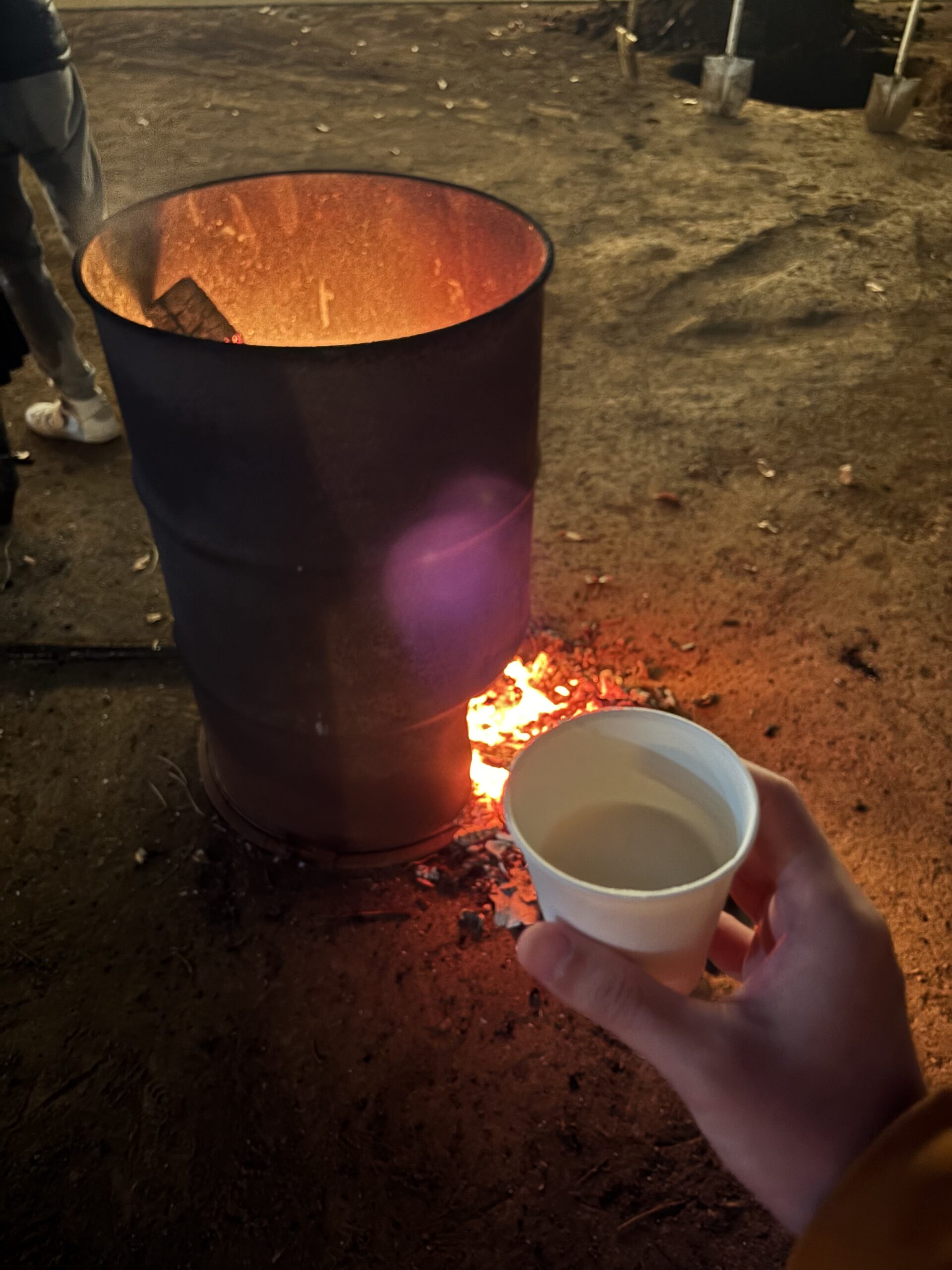
Amazake is a sweet, warm drink made from sake lees and is non-alcoholic. Even children can enjoy it, and it’s so nutritious that it’s sometimes called “an IV drip you can drink.” I’ve loved it ever since I was young. 🤤
Closing Thoughts
Today, I’ve shared a glimpse of the Japanese New Year from my own perspective.
There is still so much more to explore—regional differences, family customs, and personal memories—but I’ll leave those stories for another time.
☕️Thank you for reading to the end!
I started this blog because whenever I travel abroad, I always hope to experience a country like a local.
Through this site, I simply want to share Japan the way locals actually live and enjoy it.
If this guide helped you, you’re welcome to support the project in any way you like:
• Send a small tip ($5 ☕)
• Try a digital Omikuji ($1 ⛩️) and test your luck
• Or simply book through the links on this page — at no extra cost to you
No pressure at all — your support just helps keep this project alive.
Now, go enjoy Japan to the fullest. Thank you!

コメント