Looking for the best day trip from Tokyo? Experience “Little Edo” in Kawagoe. In this guide, I’ll share my visit to the famous Hikawa Shrine, traditional street food tips, and even some hidden local gems you won’t find in guidebooks.
Today, I went to Kawagoe, which is called the modern-day “Little Edo” and can be reached in about 30 minutes by train from Tokyo!
The history of Kawagoe is very deep, and it flourished as a castle town of Kawagoe Castle during the Edo period. In particular, it prospered as a commercial city through boat transport on the Shingashi River, and its traces still remain today in the townscape such as the “Toki no Kane” (Bell of Time) and “Kashiya Yokocho” (Candy Alley). Against the backdrop of this Edo-style townscape remaining in the modern era, Kawagoe is also called “Little Edo.”
Also, in Kawagoe, there is “Omiya Hikawa Shrine,” which is the head shrine of the approximately 280 Hikawa Shrines located in Tokyo and Saitama Prefecture.
“Recommended sightseeing spots I felt after visiting” in such a Little Edo “Kawagoe”
Hikawa Shrine
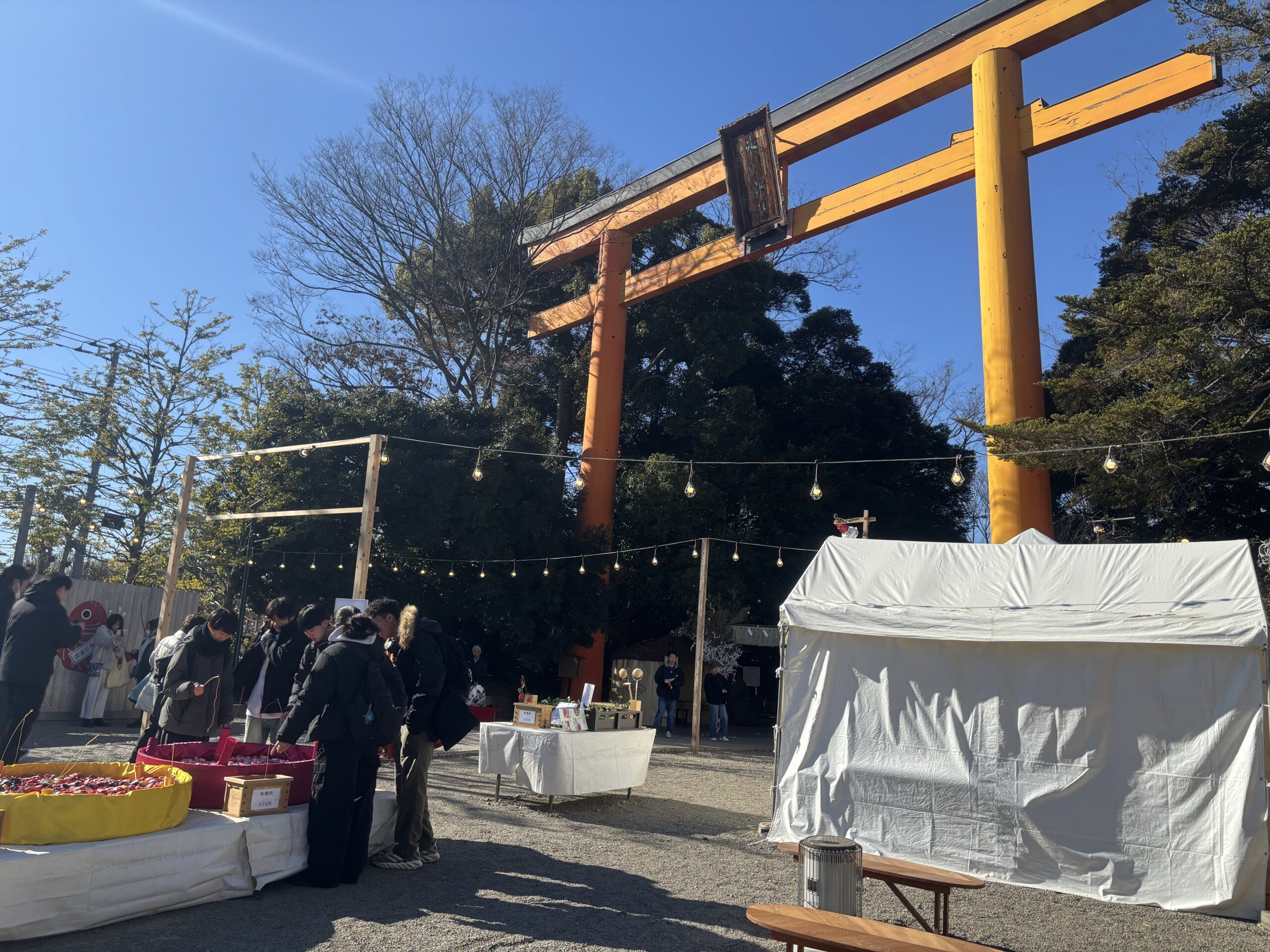 I used to live in Saitama Prefecture before, so I have visited Kawagoe many times. You can get to Kawagoe from Ikebukuro in about 30 minutes by train, but because there is some distance from the station to the main sightseeing areas (about a 20-minute walk), I visited by car this time.
In that case, you can use the city’s sightseeing parking lots for free.
The sightseeing spot closest to the city sightseeing parking lot is “Hikawa Shrine.”
Hikawa Shrine enshrines the three deities: “Susanoo-no-Mikoto, Inadahime-no-Mikoto, and Okuninushi-no-Mikoto.” Susanoo-no-Mikoto is a god of courage, protection, and one who guides fierce power in the right direction. Inadahime-no-Mikoto is beloved as a symbol of family harmony and safe childbirth, and is worshipped as a presence that nurtures harmony between couples. And Okuninushi-no-Mikoto is considered their divine child and is known for a wide range of blessings such as nation-building, medicine, matchmaking, and business prosperity. Hikawa Shrine has blessings rooted in daily life such as family safety, business prosperity, traffic safety, matchmaking, safe childbirth, protection from disaster, and fulfillment of wishes.
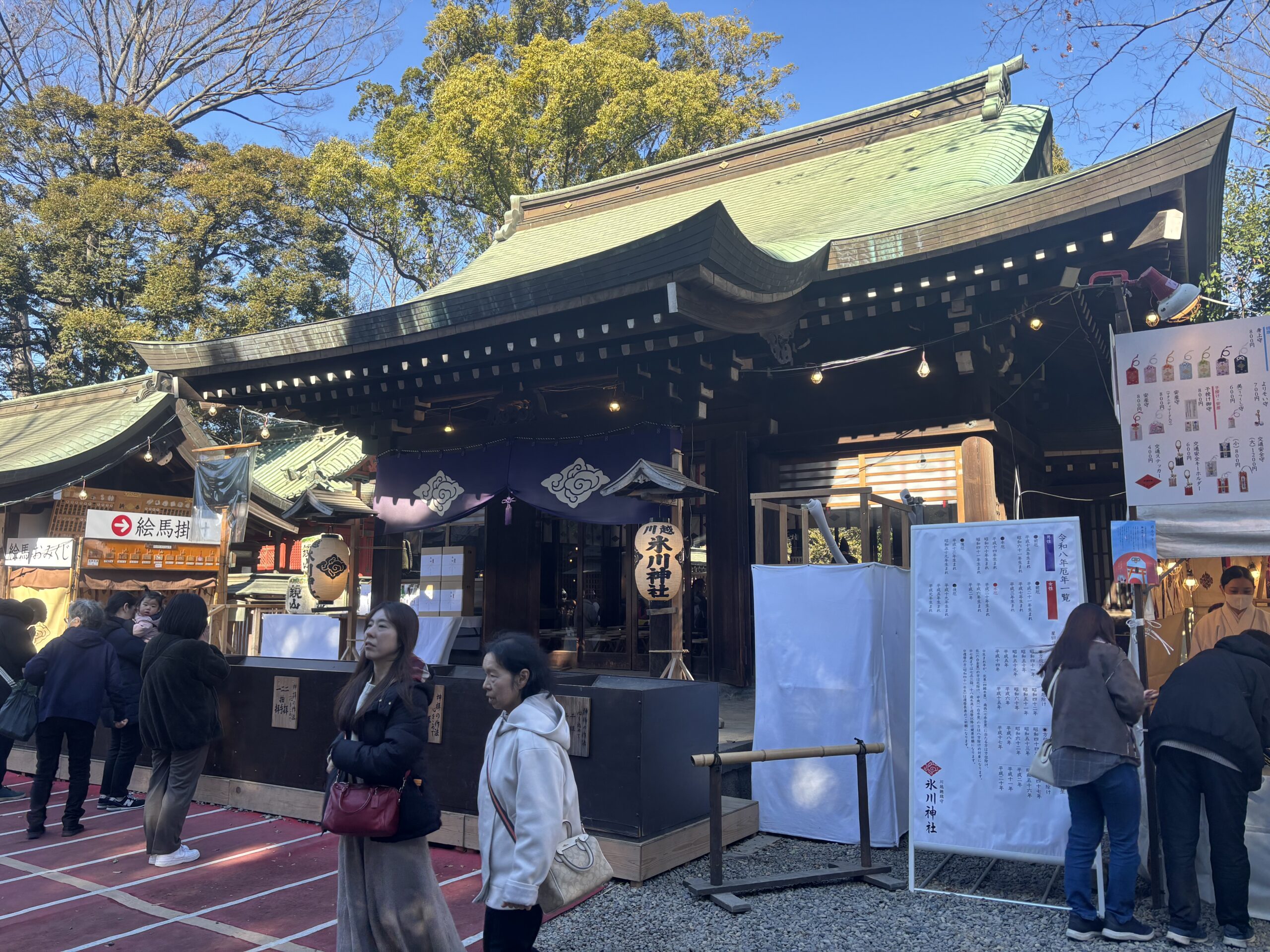
After passing through the torii gate and walking a little, there is the main hall where you can worship, so I prayed here.
This year, there was someone in my family in their “Yakudoshi” (unlucky year), so I also requested a prayer. I put 5,000 yen in a “noshibukuro” (ritual envelope), offered it to the shrine office, and had a purification performed. This is not tourism but a Japanese Shinto ritual, so it may be difficult to do as tourism, but it is an act of asking a Shinto priest to ask the god for requests or to drive away evil.
After the prayer, I received an Ema (votive tablet), a Hitogata (paper doll), and a lucky charm item. I will explain the Ema and Hitogata later. Ema and Hitogata are sold inside the shrine even without requesting a prayer, so they are popular Shinto rituals for people visiting from overseas as well.
In Japan, the year that is considered “a year where many disasters fall upon you, so you must be careful” is called “Yakudoshi.” Since Yakudoshi is an ancient Japanese culture, the way of counting age is different from modern times and is special and a bit difficult.
Yakudoshi is considered not by the “full age” we usually use, but by “kazoe-doshi” (counted age) where you are 1 year old when you are born and everyone ages together on New Year’s Day.
Besides the Yakudoshi (Hon-yaku/Main Unlucky Year), the one year before and after are called “Mae-yaku” (Pre-unlucky) and “Ato-yaku” (Post-unlucky) respectively, and are considered periods requiring caution similar to the Hon-yaku. Also, Yakudoshi differs for men and women.
For men’s Yakudoshi, 25, 42, and 61 in counted age are the Hon-yaku. Among them, 42 is called “Taiyaku” (Great Unlucky Year) and is said to be the age where one is most likely to encounter disaster in a man’s life, and it is said one should spend it particularly cautiously.
The Western calendar birth years that will be Yakudoshi in 2026 are as follows:
■ Mae-yaku (The year signs of evil appear)
24 years old … Born in 2003
41 years old … Born in 1986
60 years old … Born in 1967
■ Hon-yaku (The year requiring the most caution)
25 years old … Born in 2002
42 years old … Born in 1985 *Taiyaku
61 years old … Born in 1966
■ Ato-yaku (The year the evil fades away)
26 years old … Born in 2001
43 years old … Born in 1984
62 years old … Born in 1965
For women’s Yakudoshi, 19, 33, 37, and 61 in counted age are the Hon-yaku. Especially 33 is called “Taiyaku” (Great Unlucky Year) and is said to be the age where the most caution is required for women.
The Western calendar birth years that will be Yakudoshi in 2026 are as follows:
■ Mae-yaku (The year signs of evil appear)
18 years old … Born in 2009
32 years old … Born in 1995
36 years old … Born in 1991
60 years old … Born in 1967
■ Hon-yaku (The year requiring the most caution)
19 years old … Born in 2008
33 years old … Born in 1994 *Taiyaku
37 years old … Born in 1990
61 years old … Born in 1966
■ Ato-yaku (The year the evil fades away)
20 years old … Born in 2007
34 years old … Born in 1993
38 years old … Born in 1989
62 years old … Born in 1965
I think it’s a bit difficult, so please consider it as one of the Japanese cultures.
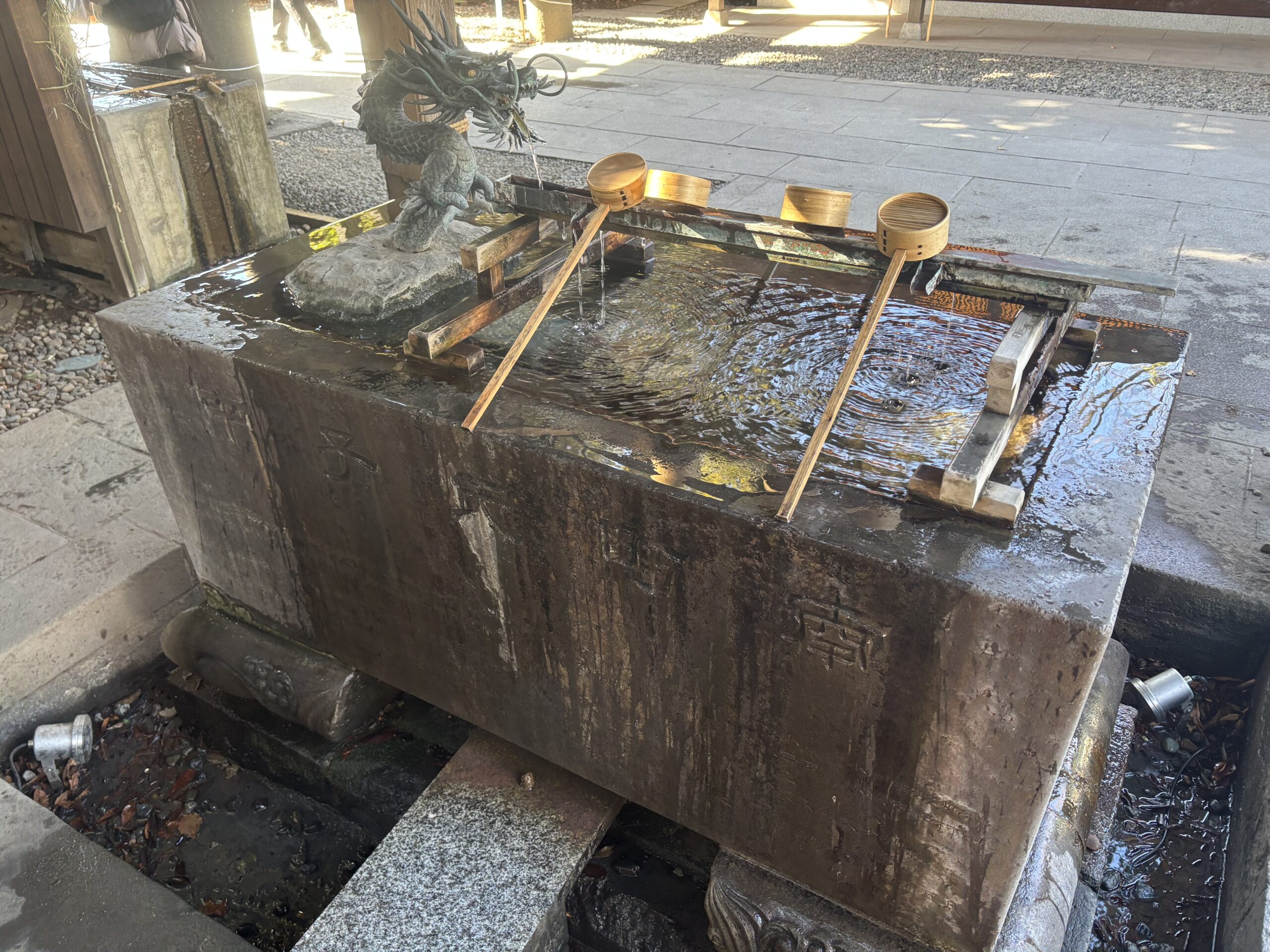
Before worshipping, let’s cleanse our mind and body at the “Temizuya” before praying.
Manner of Temizuya
1. Calm your mind
Purifying the mind and body is the main purpose of Temizu. For that, it is important to maintain peace of mind. First, bow once in front of the torii gate and greet the god. After that, when you arrive at the Temizuya, calm your mind before the Temizu. Clear away worldly thoughts, and once you feel calm, bow lightly.
2. Hold the ladle with your right hand and cleanse your left hand
In the manners, the hand to hold the ladle (hishaku) is decided. First, hold the ladle with your right hand and scoop water. Pour it over your left hand to cleanse it. Please put enough water in the ladle to be full. Since you will use the water in the ladle after this as well, care is needed not to pour all of it on your left hand. Use about 30% of the amount as a guide.
3. Hold the ladle with your left hand and cleanse your right hand
Next, switch the ladle to your left hand. At this time, be careful not to spill the water. After switching, use about 30% of the water to cleanse your right hand, just like with the left hand.
4. Hold the ladle with your right hand and cleanse your mouth
After cleansing both hands, switch the ladle back to your right hand. Pour water into your left hand and rinse your mouth. If you are concerned about hygiene, mimic the act of rinsing. At this time, the point is to leave a little water in the ladle.
5. Hold the ladle with both hands and cleanse the handle part
After cleansing your mouth and both hands, cleanse the handle of the ladle you used. Hold it with both hands as if standing it up, and let the remaining water in the ladle flow down the handle part. At this time, if you stand the ladle up too vigorously, your clothes may get wet with water. The trick is to stand it up as slowly as possible and not to make a splash. After finishing the cleansing, return the ladle to its original place and leave after bowing lightly.
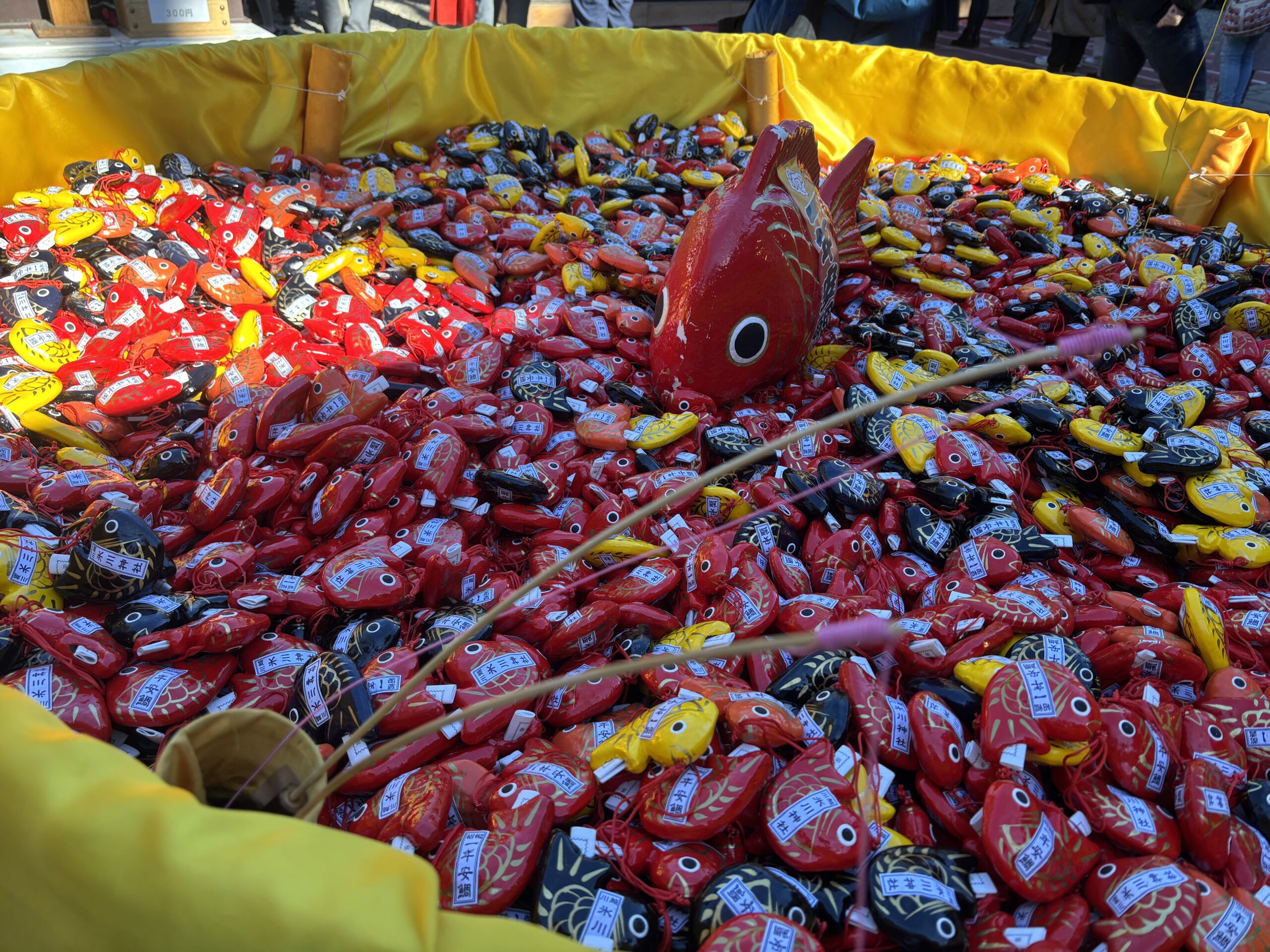
The Omikuji (fortune) at Hikawa Shrine is “Koi Mikuji” (Carp Fortune).
This is Hikawa Shrine, famous for its ‘En-musubi’ or matchmaking powers. There’s a play on words here: the Japanese word for love is ‘Koi,’ which sounds exactly like the word for carp, ‘Koi.
You fish for a carp-shaped fortune and tell your fortune with the omikuji inside. You can take the fished “Koi” omikuji home. I was “Shokichi” (small luck). Oh well… 😢
What is Omikuji?
Omikuji is a “lottery” drawn at shrines and temples to ask the will of gods or Buddha. It describes various fortunes such as love, money, health, and academic studies, not just good or bad luck, and has been familiar as a guidepost for life since ancient times. There is also a digital omikuji on this site, so if you are interested, please try drawing one just for fun.
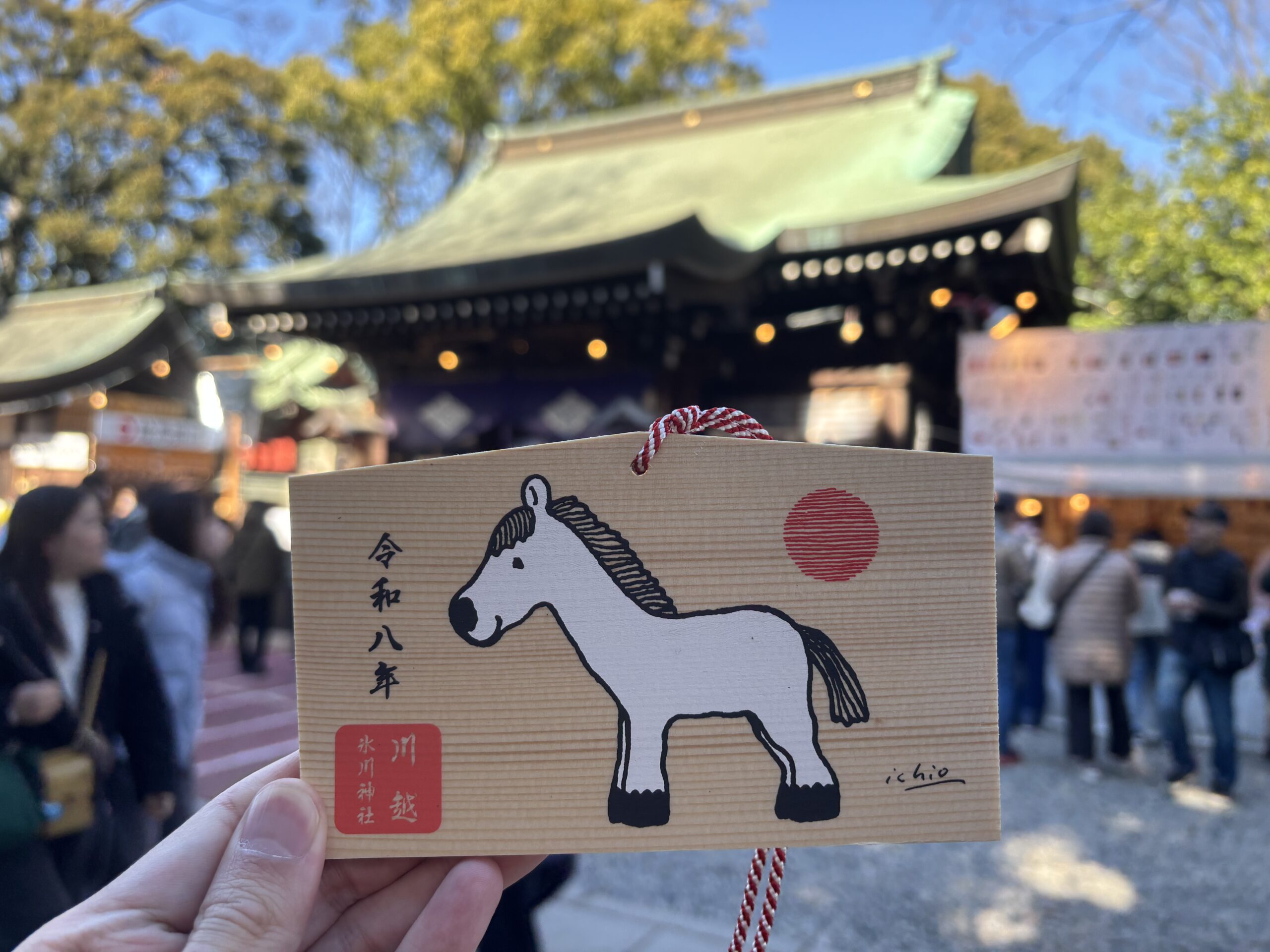
At shrines, things called “Ema” are wooden plaques where you write your wishes or thanks for a wish that came true and dedicate them to the shrine along with prayers and gratitude. In Japan, it is common to write requests for exams, employment, love, safe childbirth, and good health, or thanks for them.
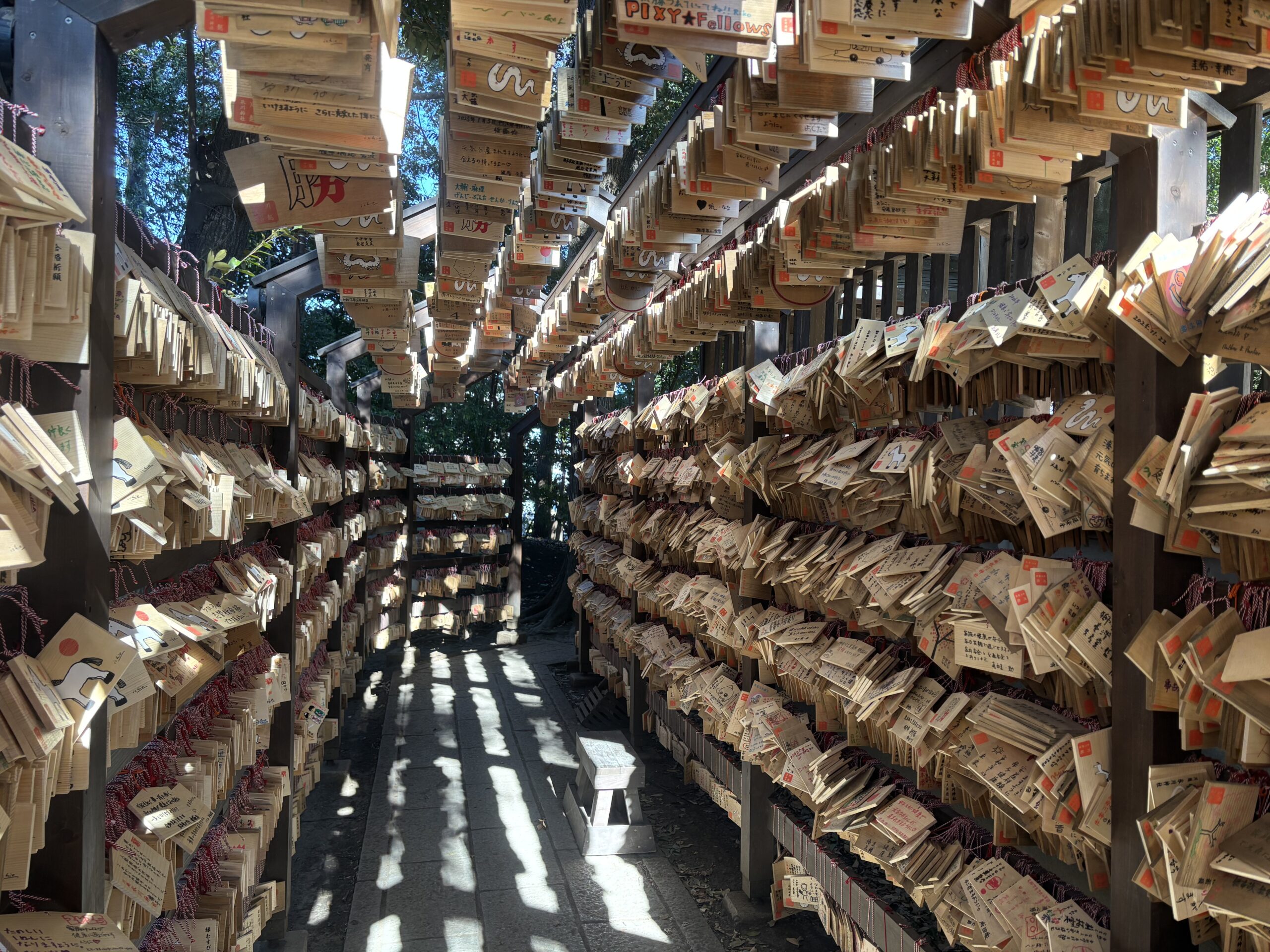
You tie and dedicate the written Ema yourself in a dedicated place. You might have seen this kind of scenery on TV or in photos. Since someone in my family was in an unlucky year, I prayed for good health with an Ema while asking for a prayer at the shrine.
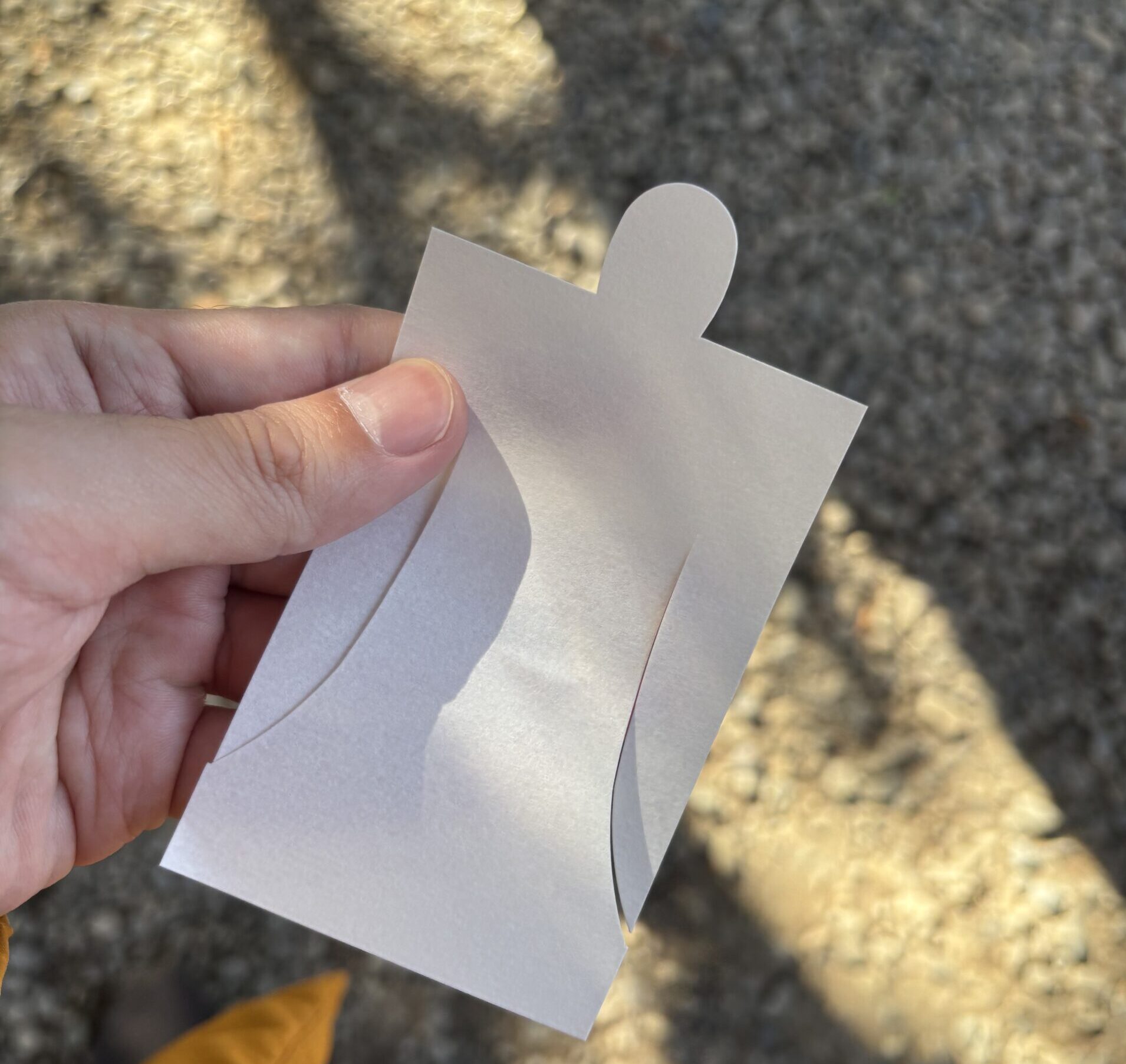
This is called “Hitogata.”
The “Hitogata paper” distributed at shrines is generally a paper representing yourself and is used to take away your own evil and impurities. This is related to the ancient purification rituals passed down at shrines and plays an important role in purifying the mind and body.
The manners for Hitogata differ depending on the shrine, but at Hikawa Shrine, it has the meaning of clearing away the impurities of bad parts of the body and purifying yourself.
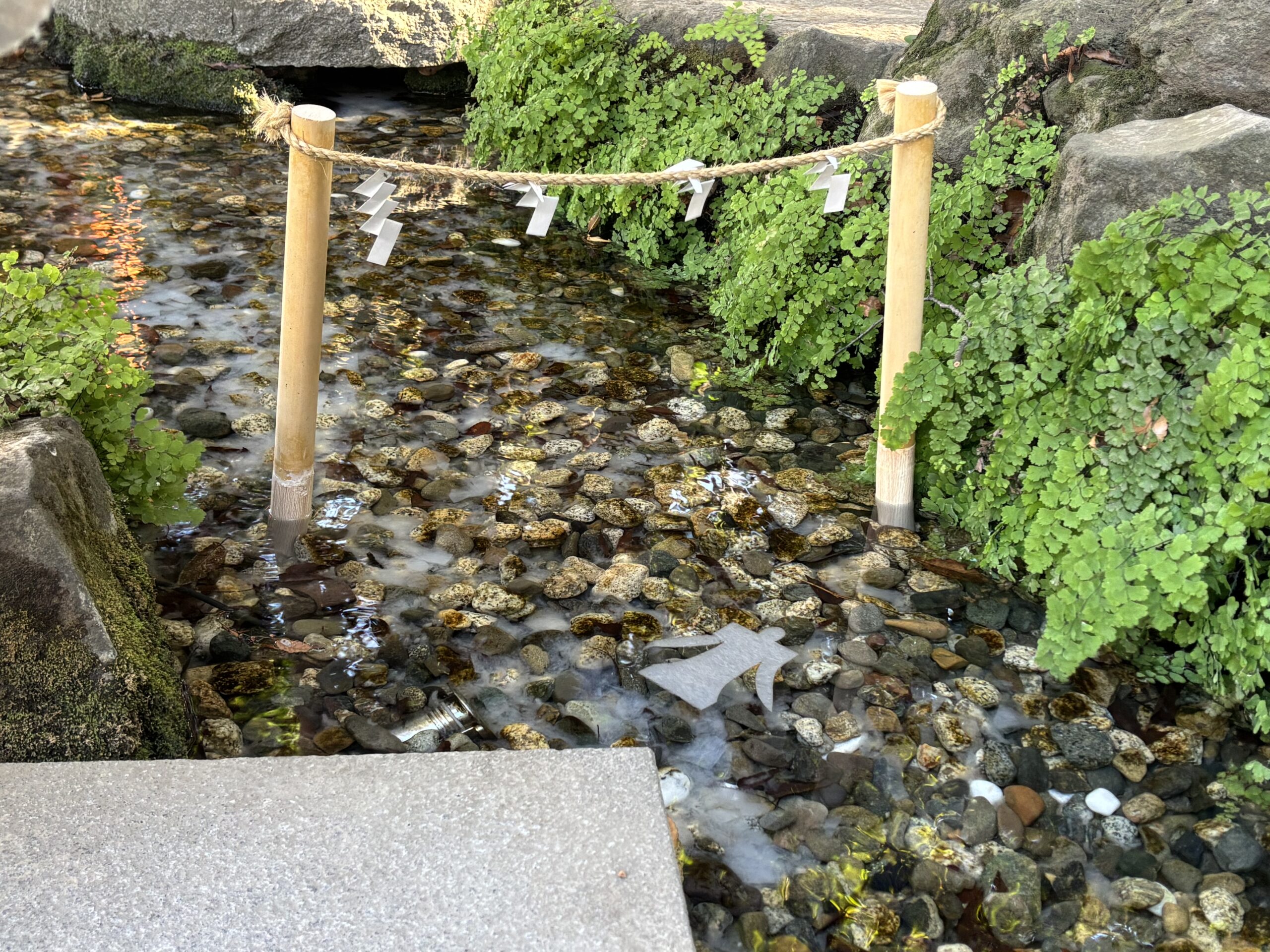
Manner of Hitogata at Hikawa Shrine
1. Blow on the Hitogata three times strongly.
2. Stroke your body with the Hitogata, centering on bad parts of the body, and transfer the body’s impurities to the Hitogata.
3. While chanting “Kiyometamae, Haraetamae” (Please purify, please clear away) in your heart, let it flow into the water.
4. Passing through the torii in the river, the Hitogata, which is your alter ego, disappears into the water along with the impurities you transferred to the Hitogata.
Kawagoe Ichibangai
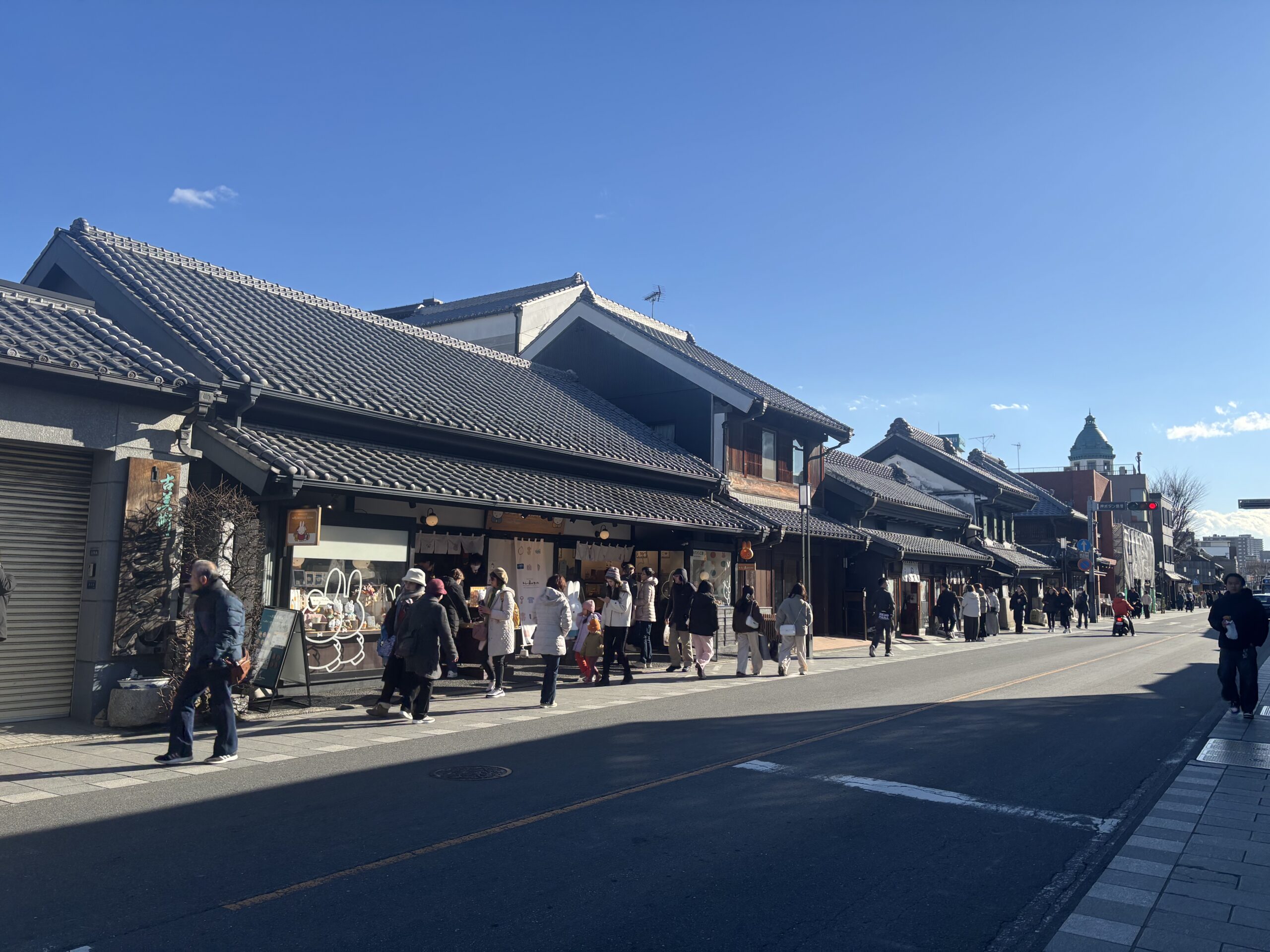
The next place I went was Kawagoe Ichibangai, which retains the townscape of Little Edo.
Here, there are buildings that have become historical structures, and you can enjoy the townscape of “Kurazukuri” (warehouse style) where you can feel history. Also, it is a main street where you can enjoy Little Edo at reasonable prices that are not tourist prices.
Sayama Tea: Nagamine-en
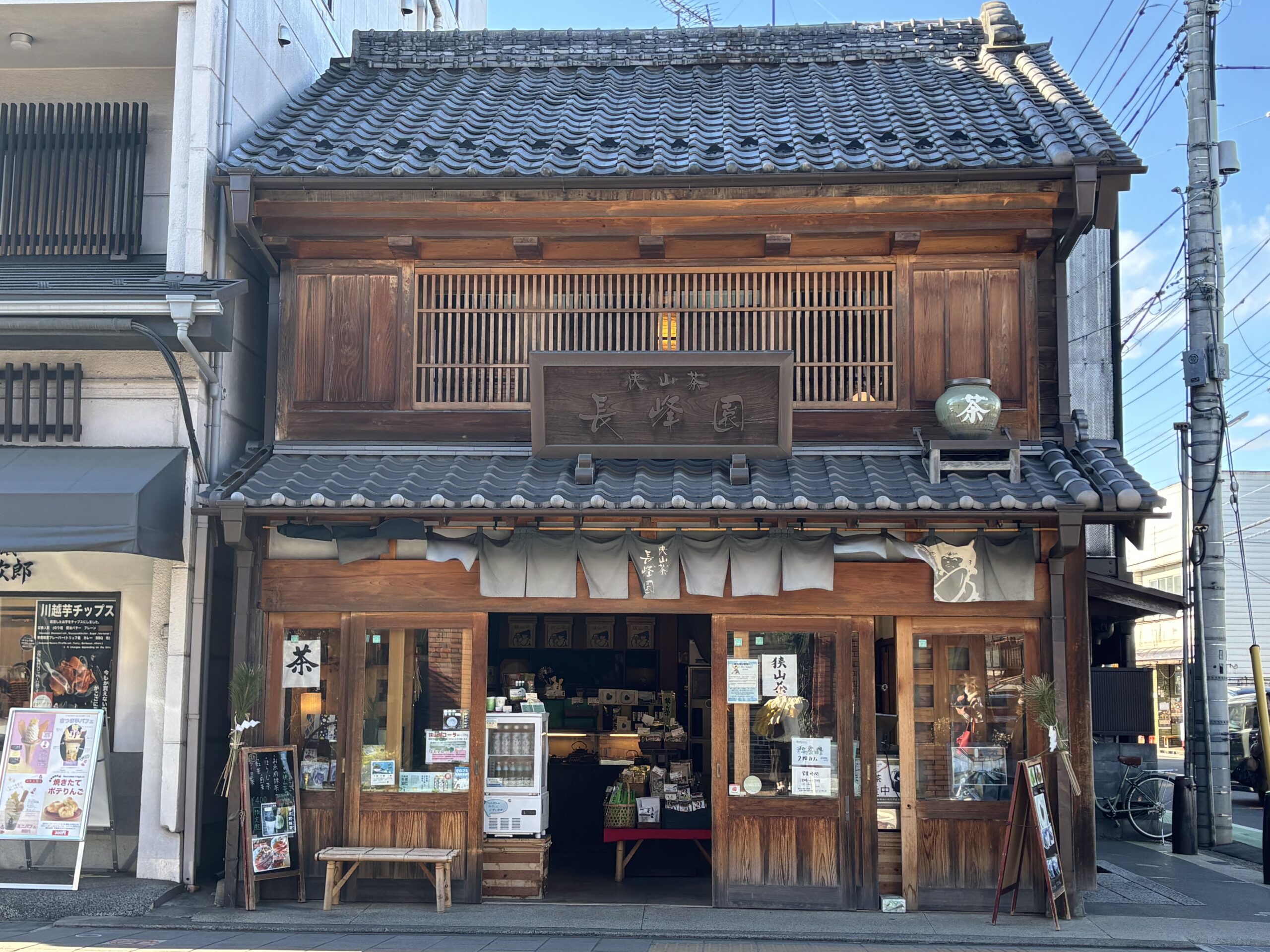
When entering Kawagoe Ichibangai from Hikawa Shrine, the first thing you see is this “Sayama Tea: Nagamine-en.”
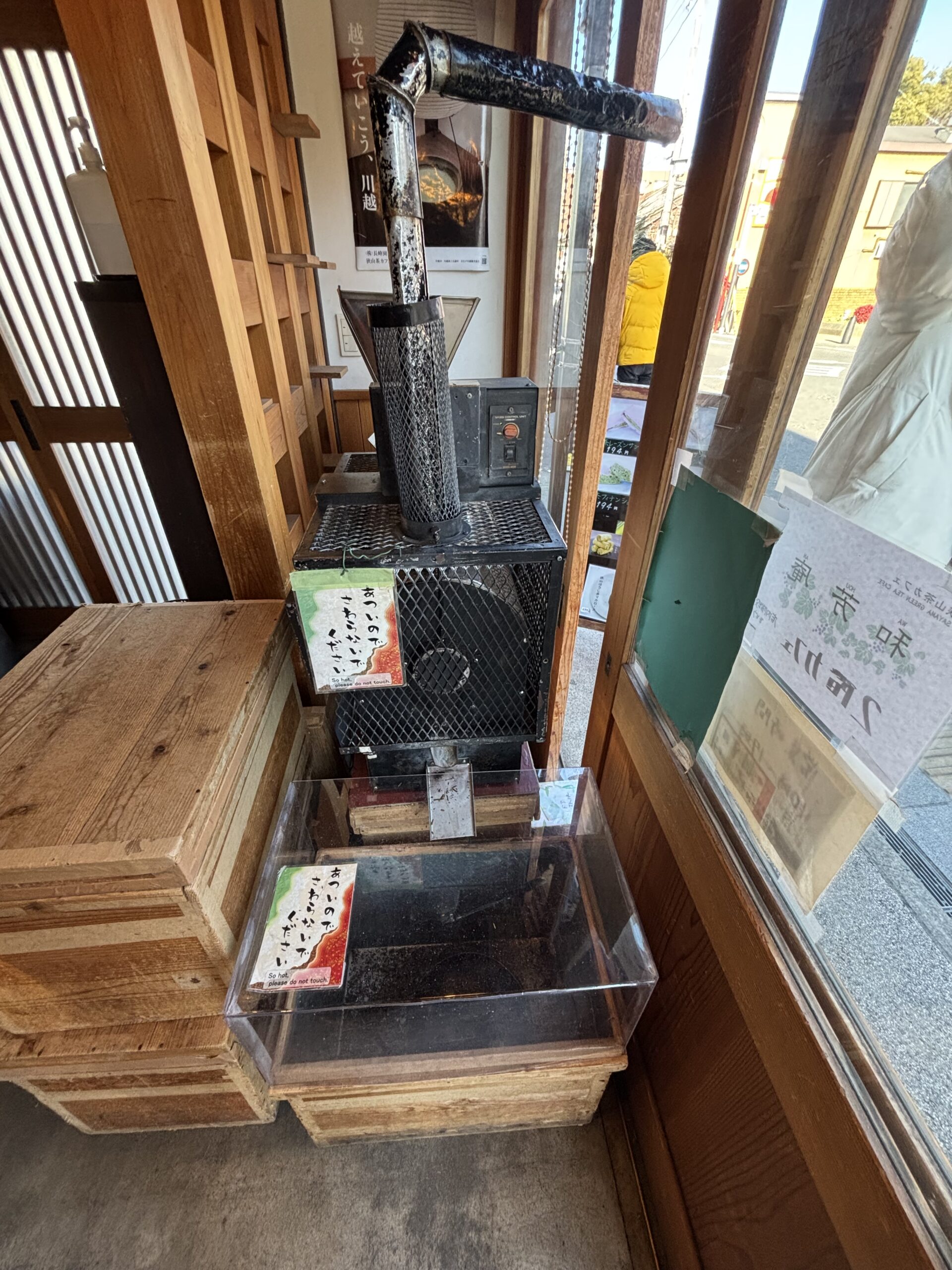
A good smell of hojicha (roasted green tea) comes from the front of the store. The reason for this is that they are roasting tea leaves inside the store.
I purchased “Hojicha Financier” and “Matcha Financier.”
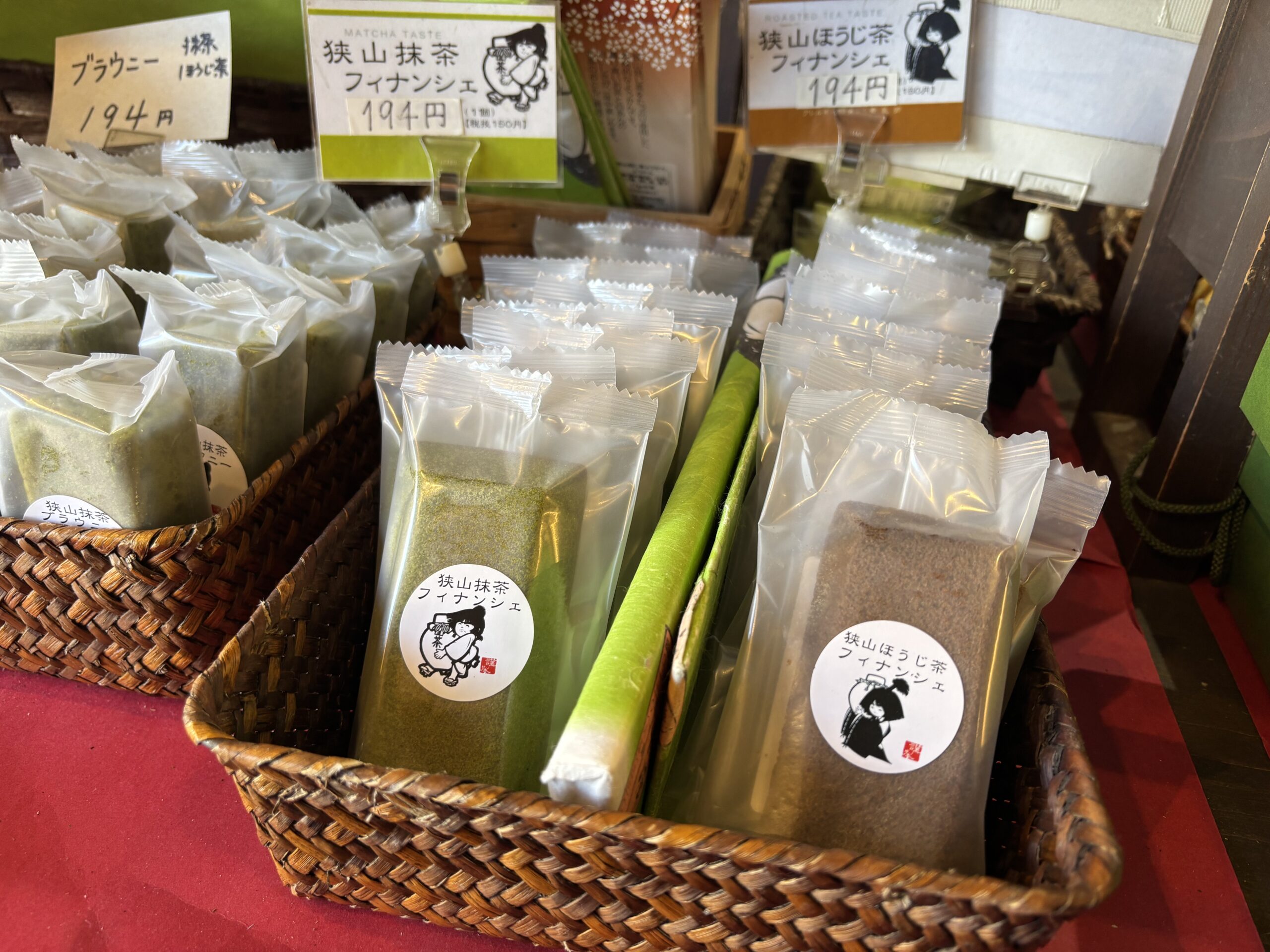
Personally, I liked the Matcha Financier better because the scent of matcha was stronger, and the Japanese-style scent of tea matched the moist and sweet financier.
Traditional Streetscape
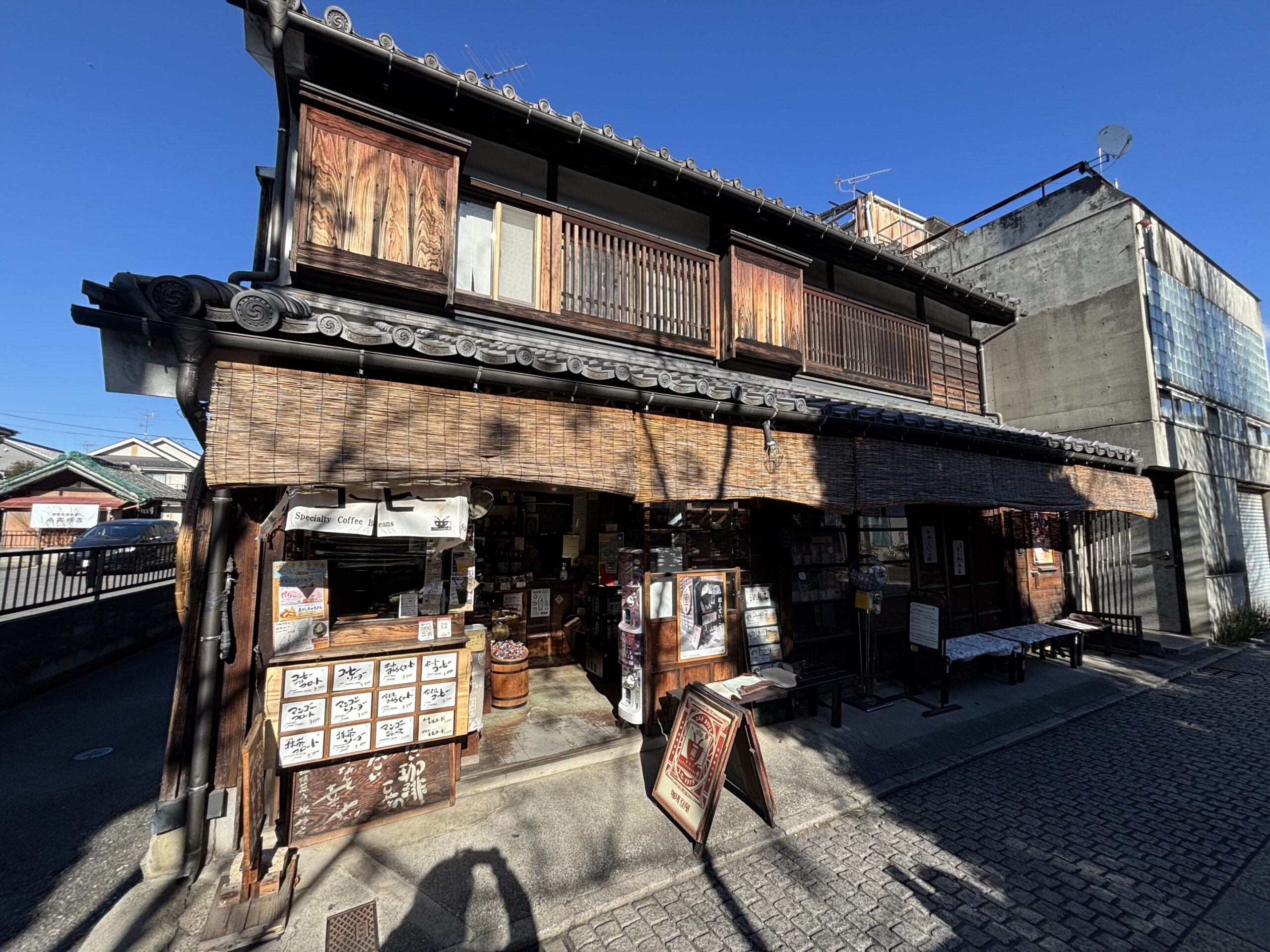
This shop is a “Tenugui” (hand towel) shop. Recently, I have stopped hearing the word “Tenugui” itself. I don’t hear it in daily life unless it’s in a place like Kawagoe. It’s like a handkerchief. Coffee and other things were also being sold.
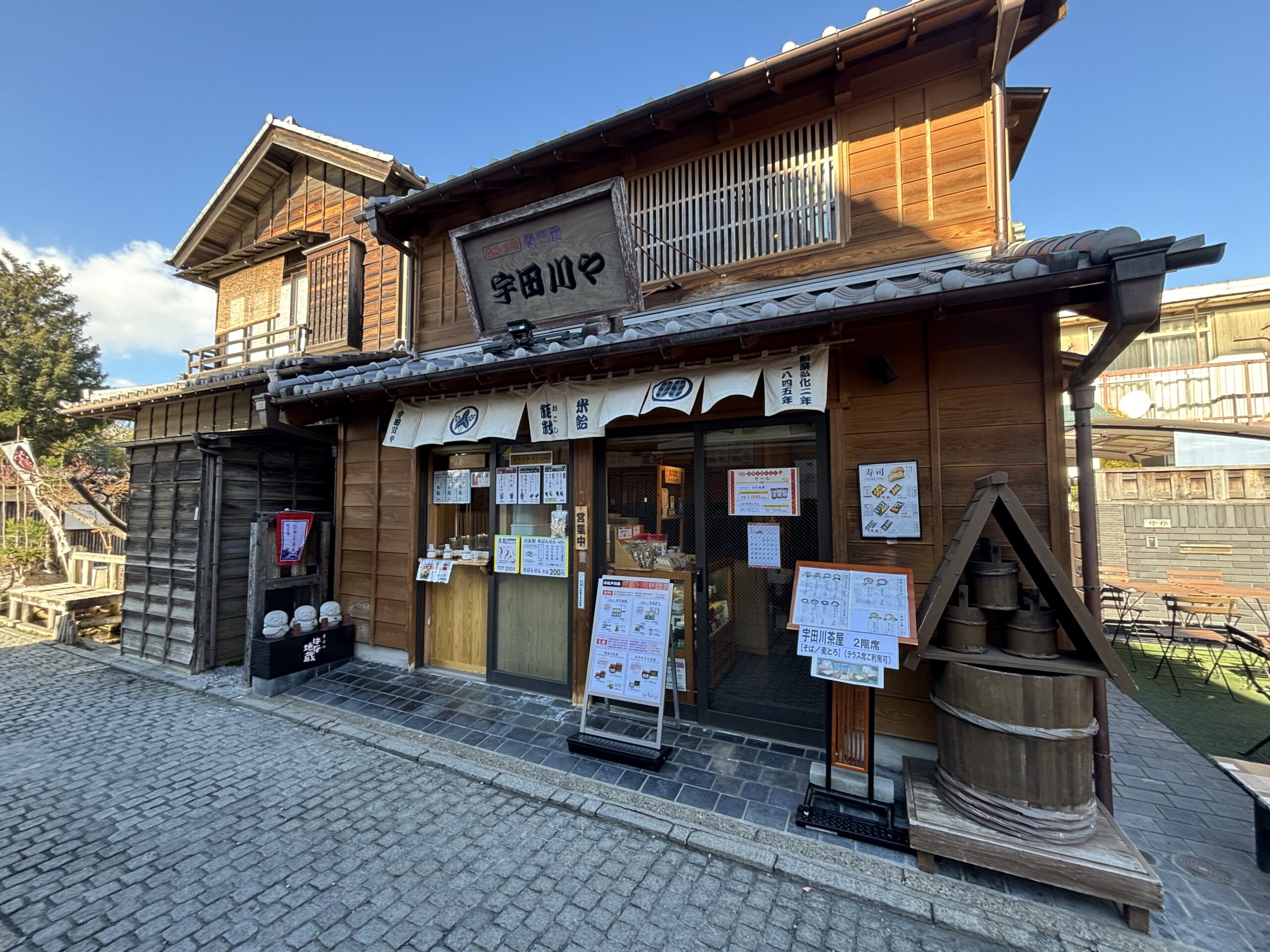
This is also a traditional shop. “Hiyashi-ame” (chilled candy drink) is also a drink that was drunk before I was born. It seems it was a slightly sweet drink containing ginger and such, and was preferred to be drunk in summer. Its history is old and it seems it has been drunk since the Edo period.
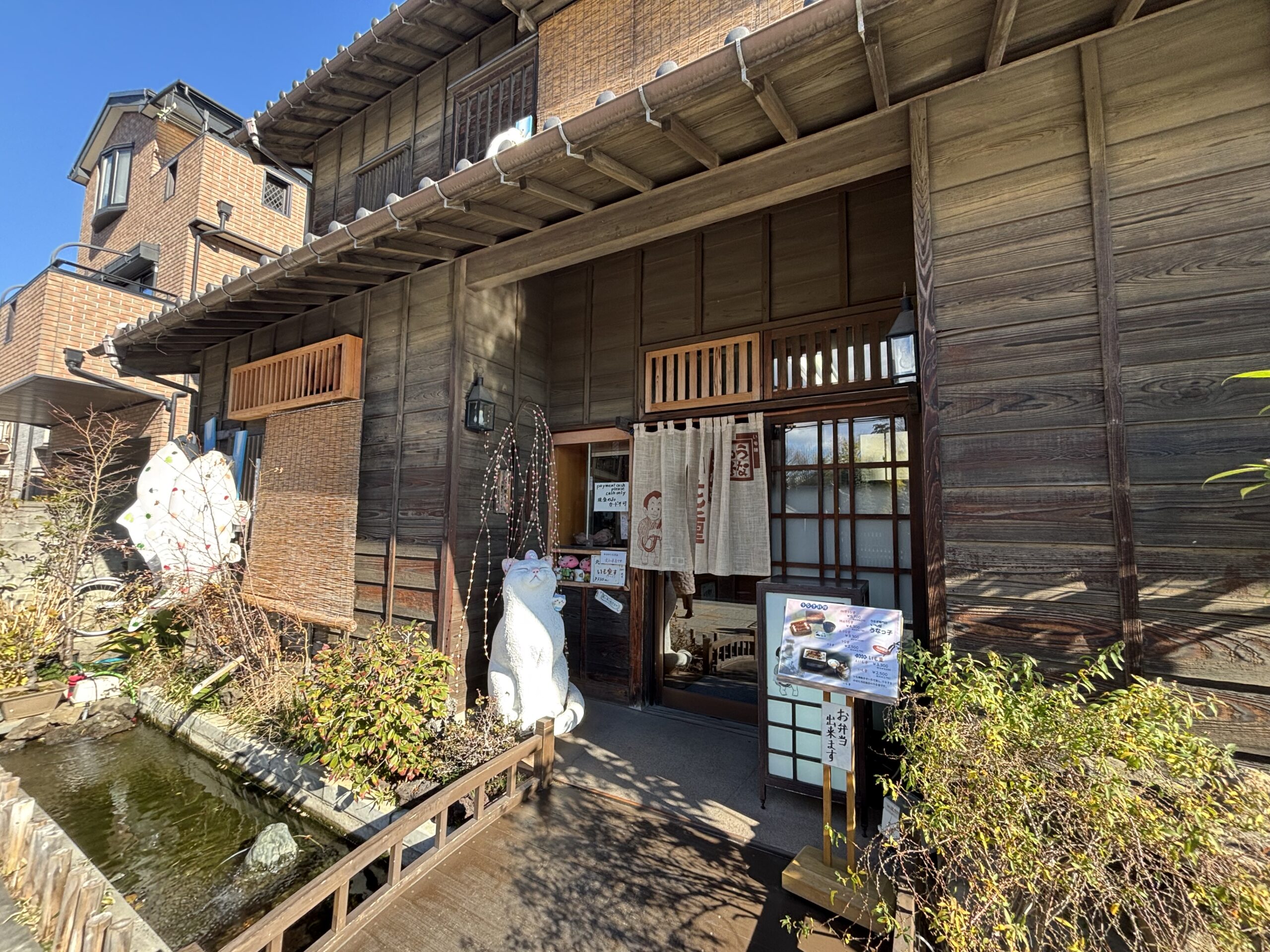
This is an Unagi (eel) restaurant.
Unagi is a very delicious feast, but is it not very famous overseas?
I have been to Italy, Poland, Germany, Australia, and the United States, but I don’t have much memory of seeing Unagi. Although it requires skill for cooking, it is very delicious and also nutritious, so I think it’s okay for it to become popular like sushi or tempura.
Short story about Sushi
By the way, the “Toro” of tuna familiar in sushi seems not to have been very popular in the past. Until the Edo period, the fatty part with strong fat content had lower value compared to the red meat, and the name of Toro was also called “Abu” at that time, abbreviating “aburami” (fat), or also called “Nekomategi” (cat-striding) because even cats that like fish would stride over and pass by. Also at that time, refrigerated storage was not as developed as now, and Toro, which spoiled faster than red meat and was outside the taste preference, had no choice but to be thrown away without being eaten or used as fertilizer for fields. It was only after the war when refrigerated transport technology was established that Toro came to be eaten.
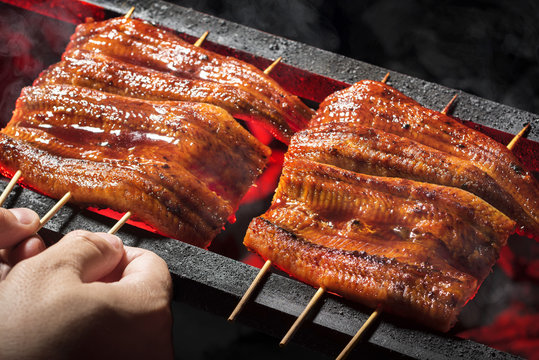
Short story about Unagi
Unagi was loved by ancient Japanese as well, and there is a record of it being presented to the Imperial Family in 700 AD. However, Unagi at that time was something plain, such as just grilled and sprinkled with salt. Records remain that eating Unagi as “Kabayaki” as it is now started in the Edo period. It is said that Unagi Kabayaki in the Edo period was about 200 mon per plate. At today’s price, it would be around 4,000 yen. Looking into history, we can see that since the Edo period, Unagi was a luxury item that commoners could not easily eat.
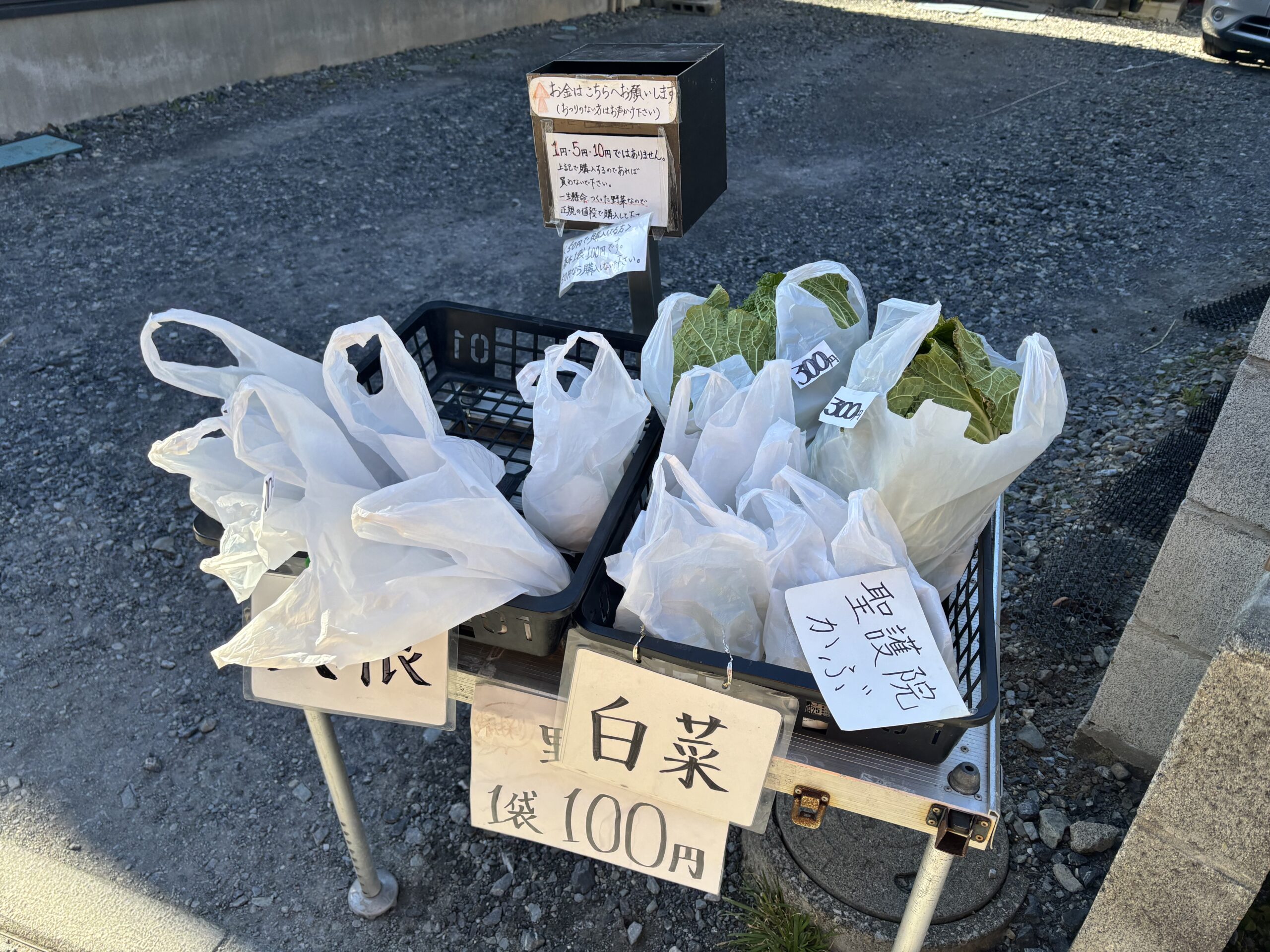
It’s an unmanned sale of vegetables.
You don’t see it much in Tokyo, but sometimes vegetables cultivated by individuals are sold unmanned. There may be a surveillance camera, but there are no other machines, and people who want them put money into a box and take the vegetables home themselves.
It is a system that holds up under the trust that people won’t do bad things. There was one near my house when I was a child, but recently I haven’t seen this kind of system much either.
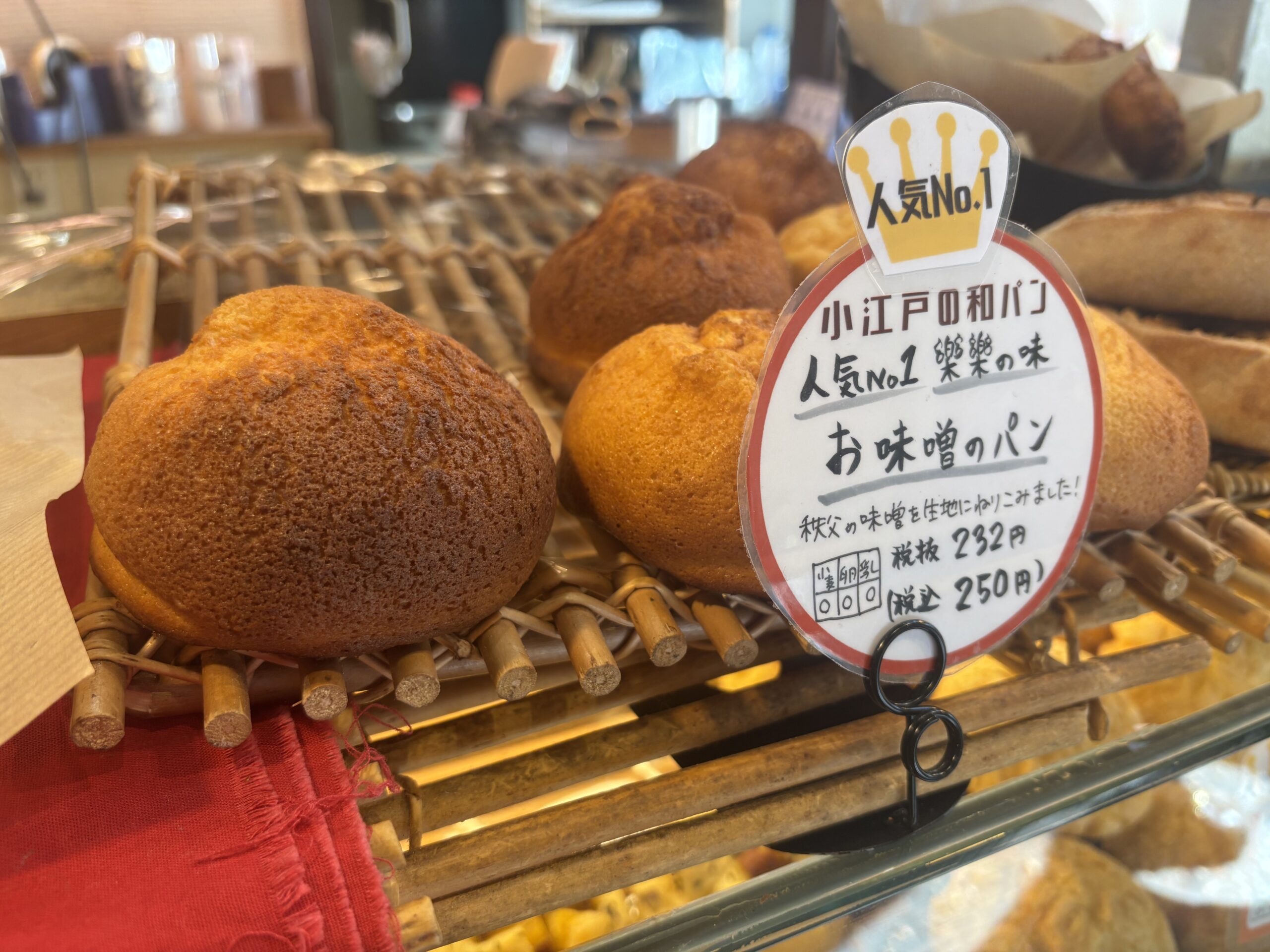
There was bread using Japanese miso.
It seems miso is kneaded into a sweet dough like melon pan. The first sweetness and texture are like melon pan, but you feel the richness of miso at the end of the taste.
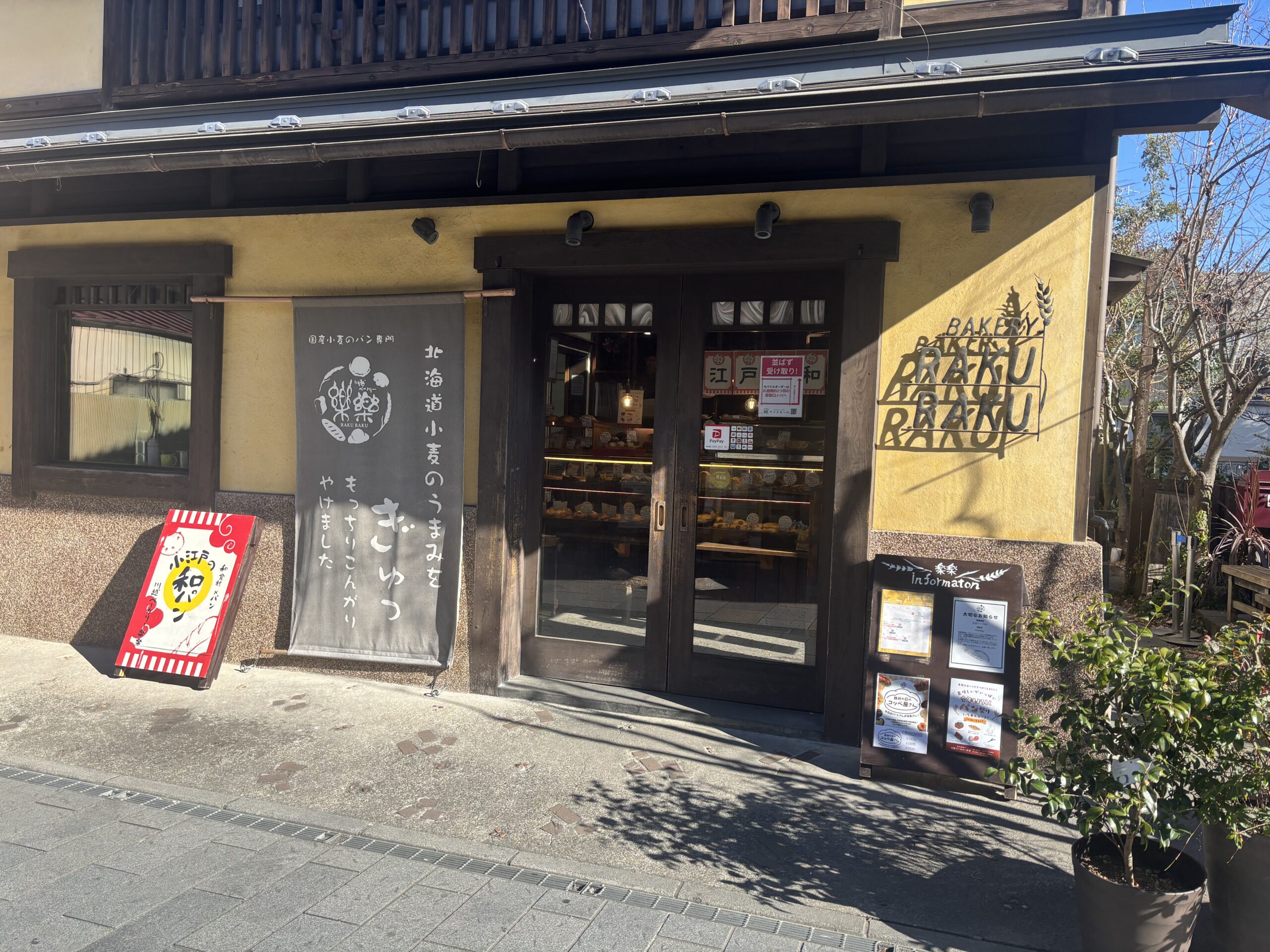
Difference in taste between Japanese and foreigners
This is also an aside, but I sometimes think about the difference in taste between Japan and overseas when I introduce food.
We Japanese consider the taste of “Dashi” (broth) to be elegant and good, but is there such a culture overseas? I have an impression that the Kansai area, such as Kyoto, has more seasoning of Dashi than soy sauce, but if you’re not used to the taste of Dashi, I wonder if you might simply feel it’s a weak seasoning.
Also, I have had a past experience where Americans felt the sweetness of Anko (red bean paste) to be sweeter and Japanese felt the sweetness of cream to be sweeter, so the feeling of “too sweet!” was different.
It might be that the body is adapting within the environment where you were born and raised rather than race. It’s interesting.
Starbucks with a Japanese Twist
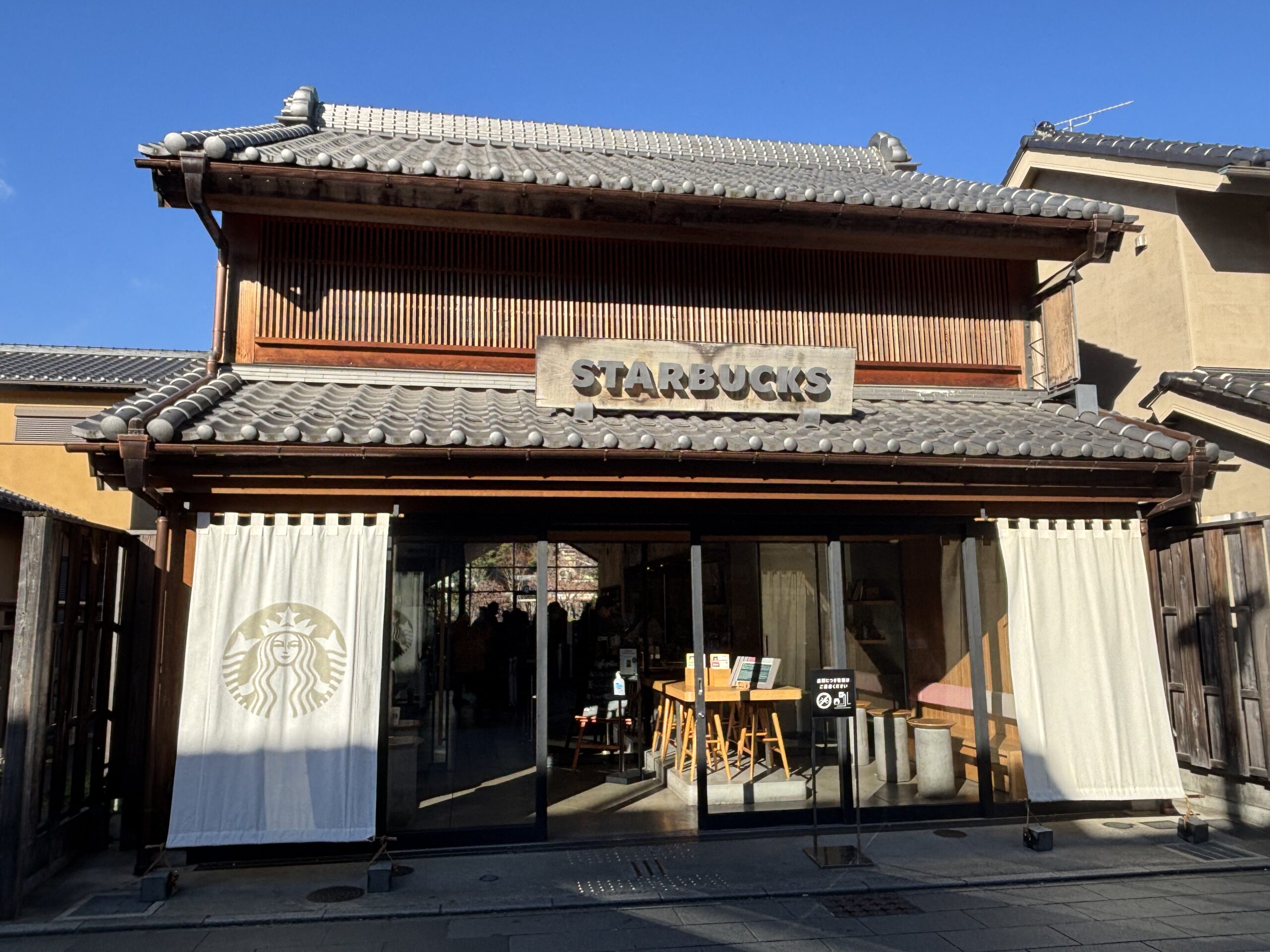
In Japan, many Starbucks stores are designed to blend into the local scenery, especially in historical areas. The Starbucks in Kawagoe is a perfect example—it’s built in a traditional Japanese warehouse style (Kurazukuri) to match the old town’s atmosphere.
It’s a beautiful spot to take a break, so please make sure to stop by when you visit!
Toki no Kane (Bell of Time)
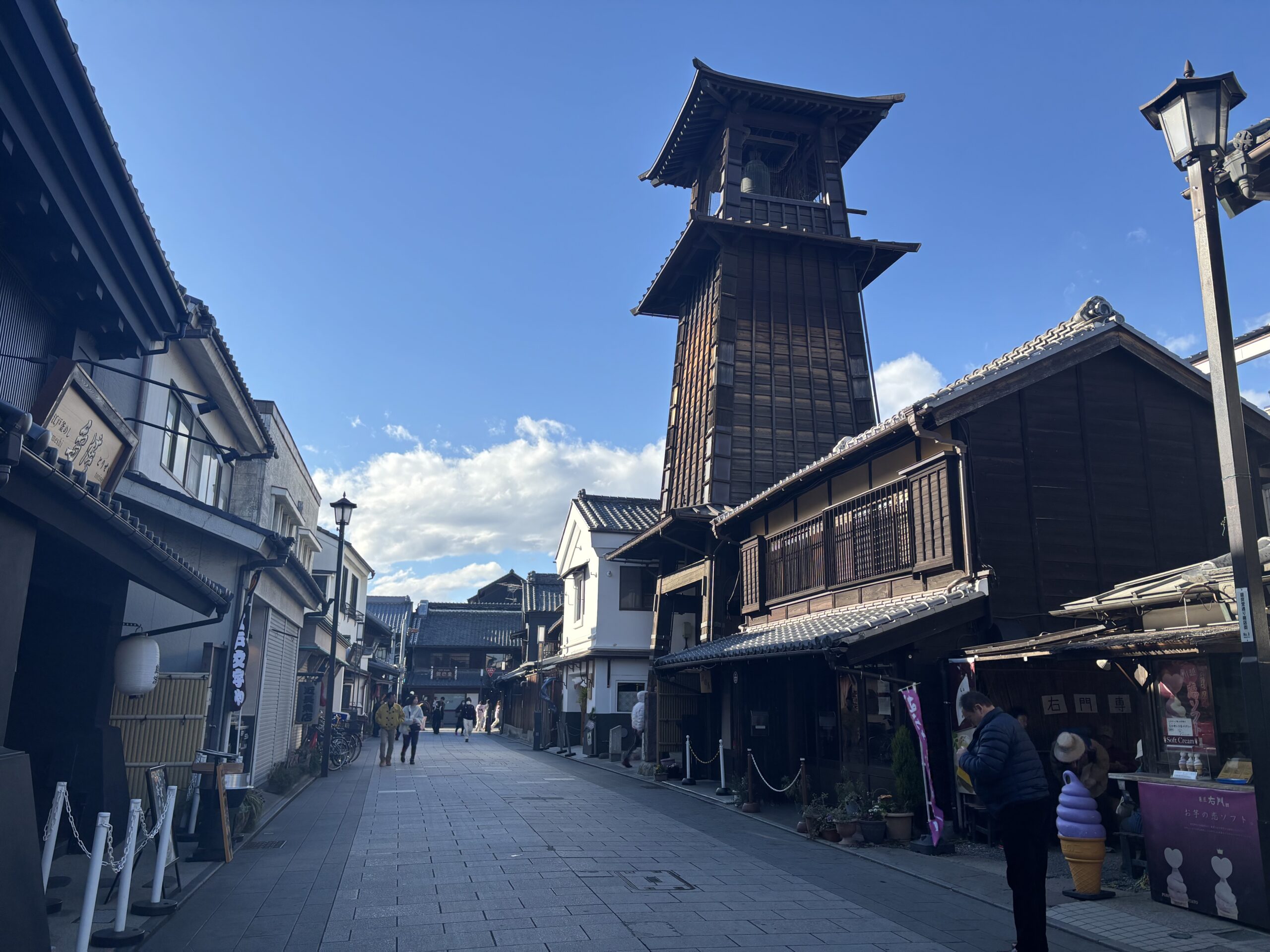
The famous “Toki no Kane” in Kawagoe.
It is said that the first Toki no Kane was built at the current location in Taga-machi (now Saiwai-cho) by the lord of Kawagoe Castle, Sakai Tadakatsu, between Kan’ei 4 (1627) and Kan’ei 11 (1634). It is a symbol of Little Edo Kawagoe that has been telling “time” indispensable for living since the beginning of the Edo period when it was founded.
Bell ringing is performed 4 times a day by an automatic bell ringer: 6:00 AM, Noon, 3:00 PM, 6:00 PM. People in the Edo period must have lived while listening to the sound of this bell.
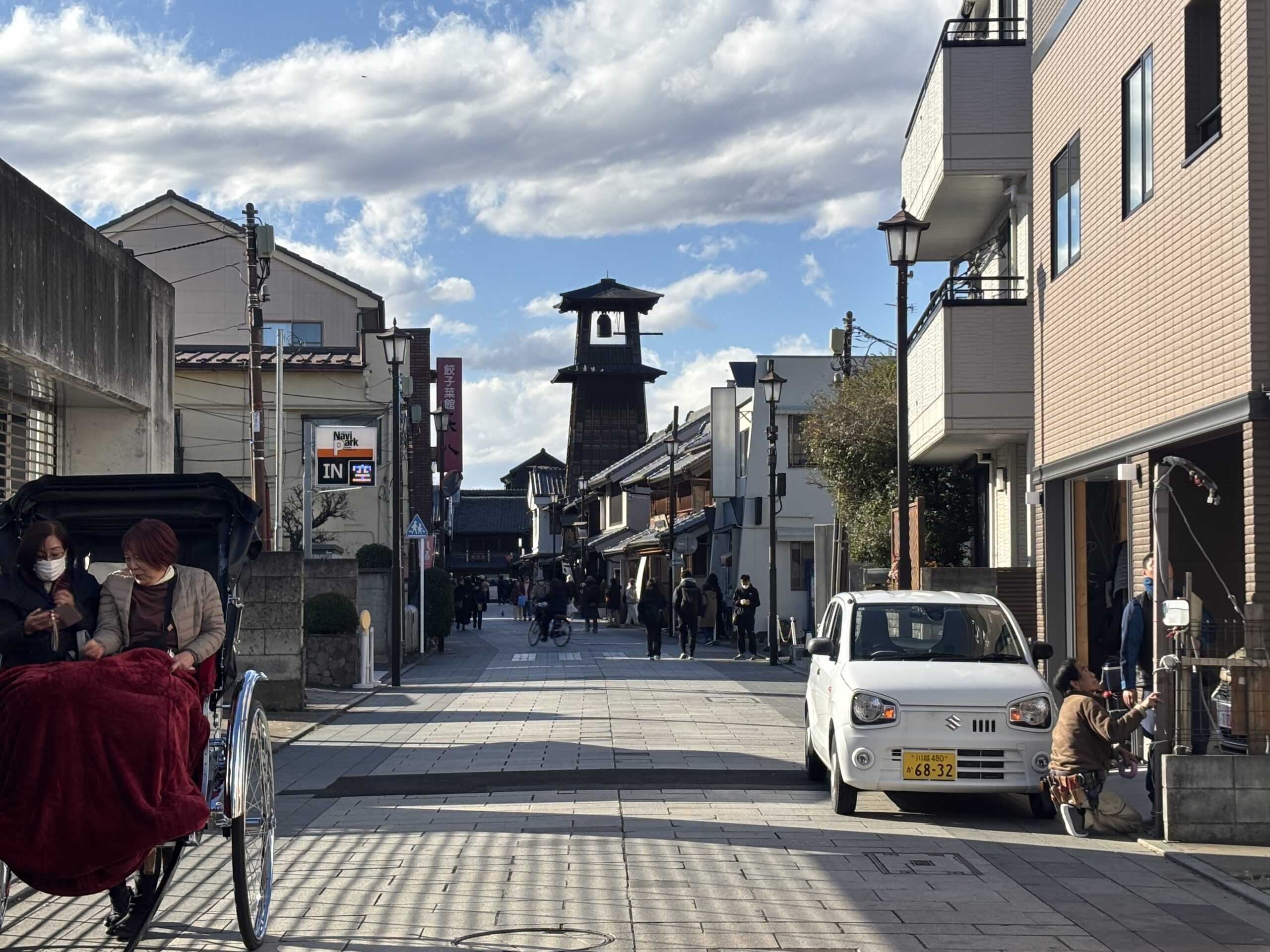
Kashiya Yokocho (Candy Alley)
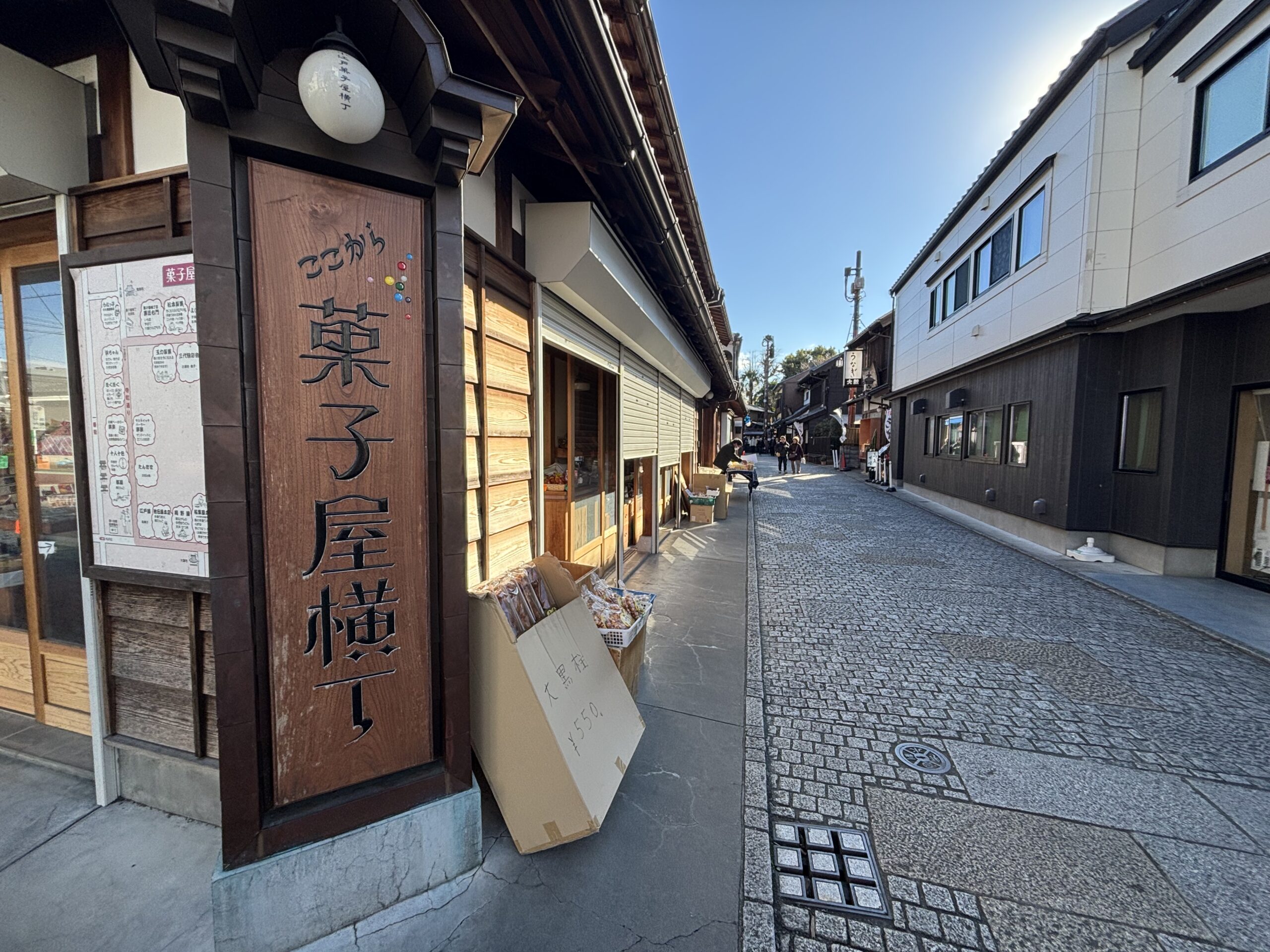
The famous spot in Kawagoe, “Kashiya Yokocho.”
It is a street of candies continuing small while leaving the scenery of old Japan.
There are “Amezaiku” (candy craft), “Shateki” (shooting gallery), and so on.
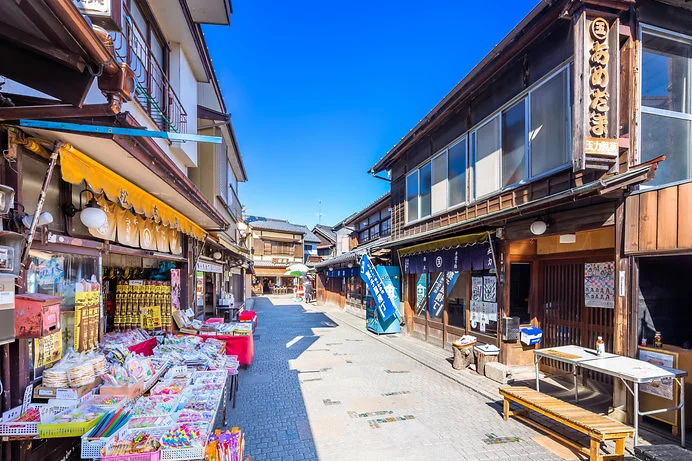
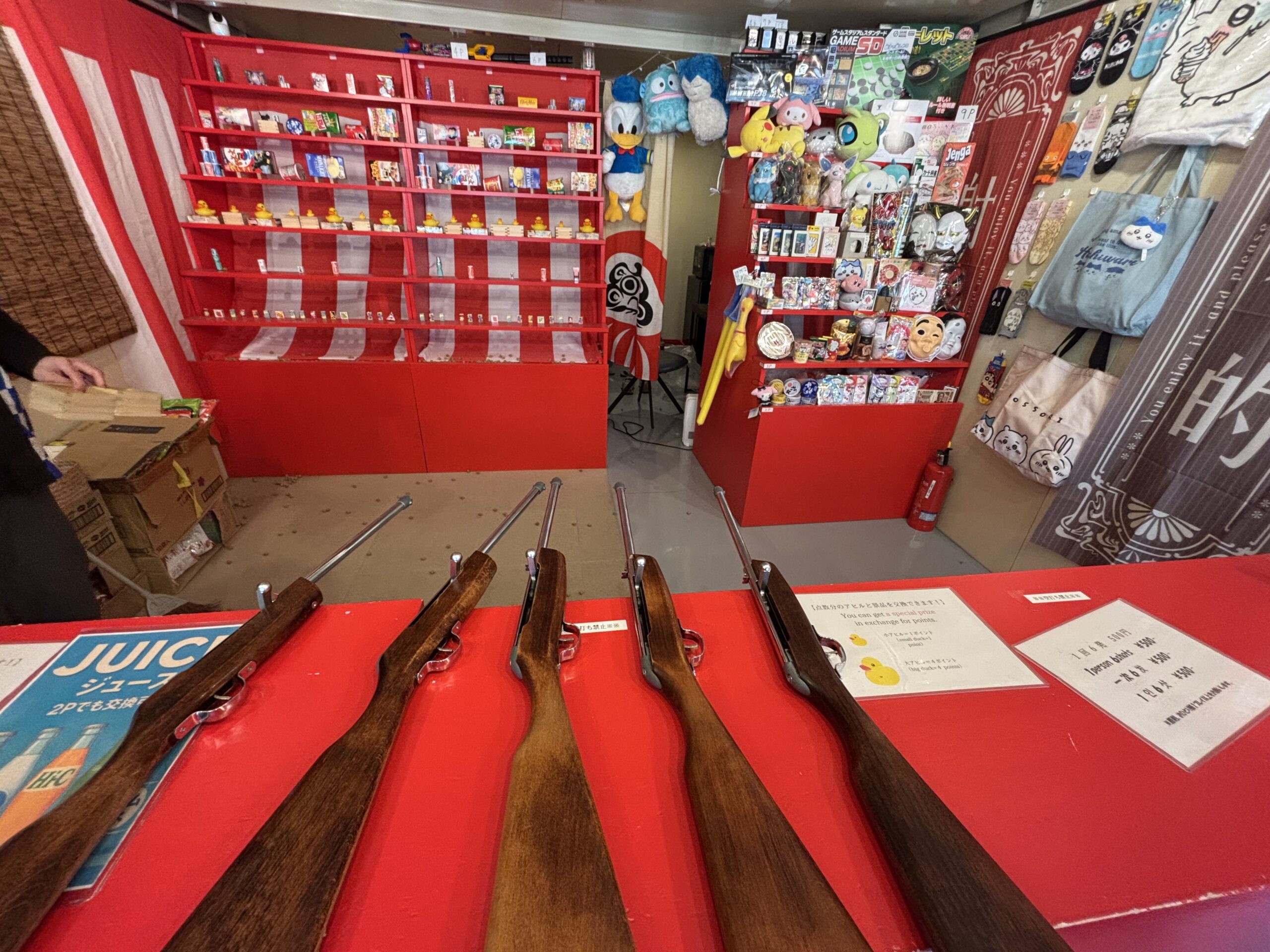
It is “Shateki” which has been familiar at Japanese festivals since old times.
Since they lend you an air gun and cork bullets, you shoot aiming at prizes. If you hit a prize and drop it down, you can get it. However, because large or expensive prizes are made so they don’t fall easily, it is good to enjoy it as a game.
Since I couldn’t drop even one, I received a bonus candy.
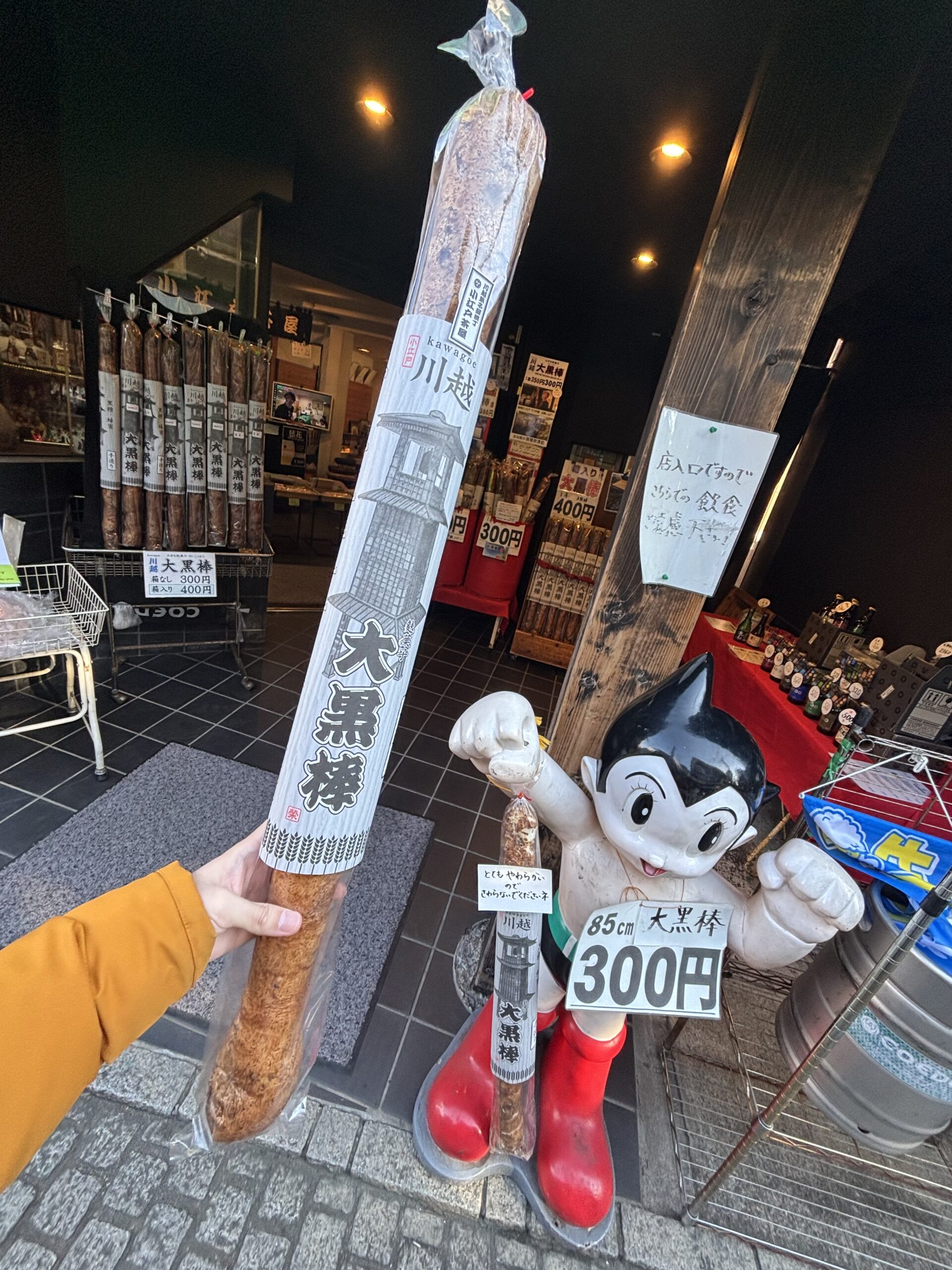
This is a snack called “Fugashi”
It is large but light as it contains a lot of air. However, since it is difficult to eat this whole thing on the spot, it becomes a bit of a hindrance if you buy it during sightseeing. Still, buying this made me feel like I had come to a tourist spot, so I ended up buying it.
Because it is fragile, you must not touch it if you are not buying it.
Hidden Gems
Miffy Kura no Bakery
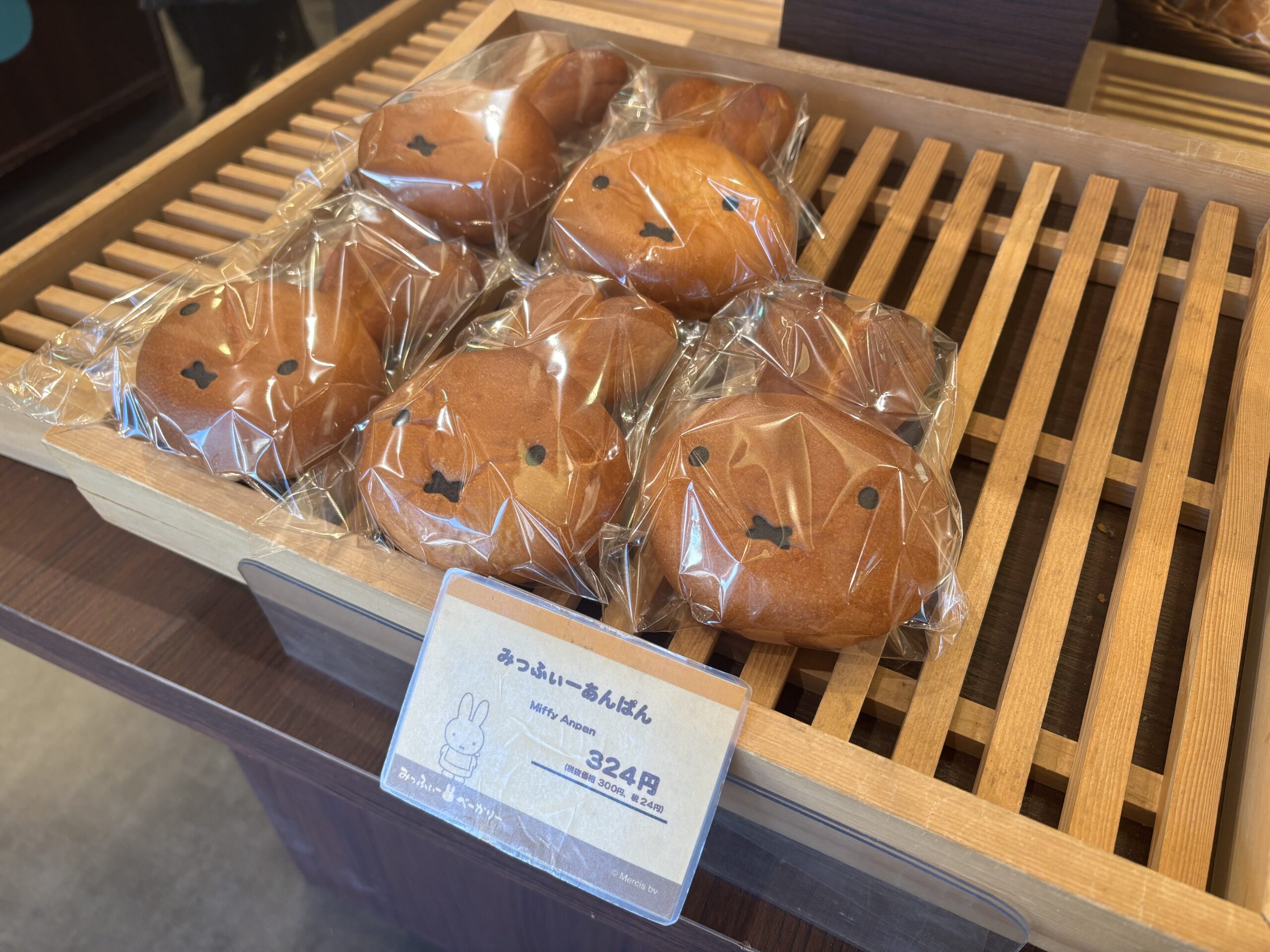
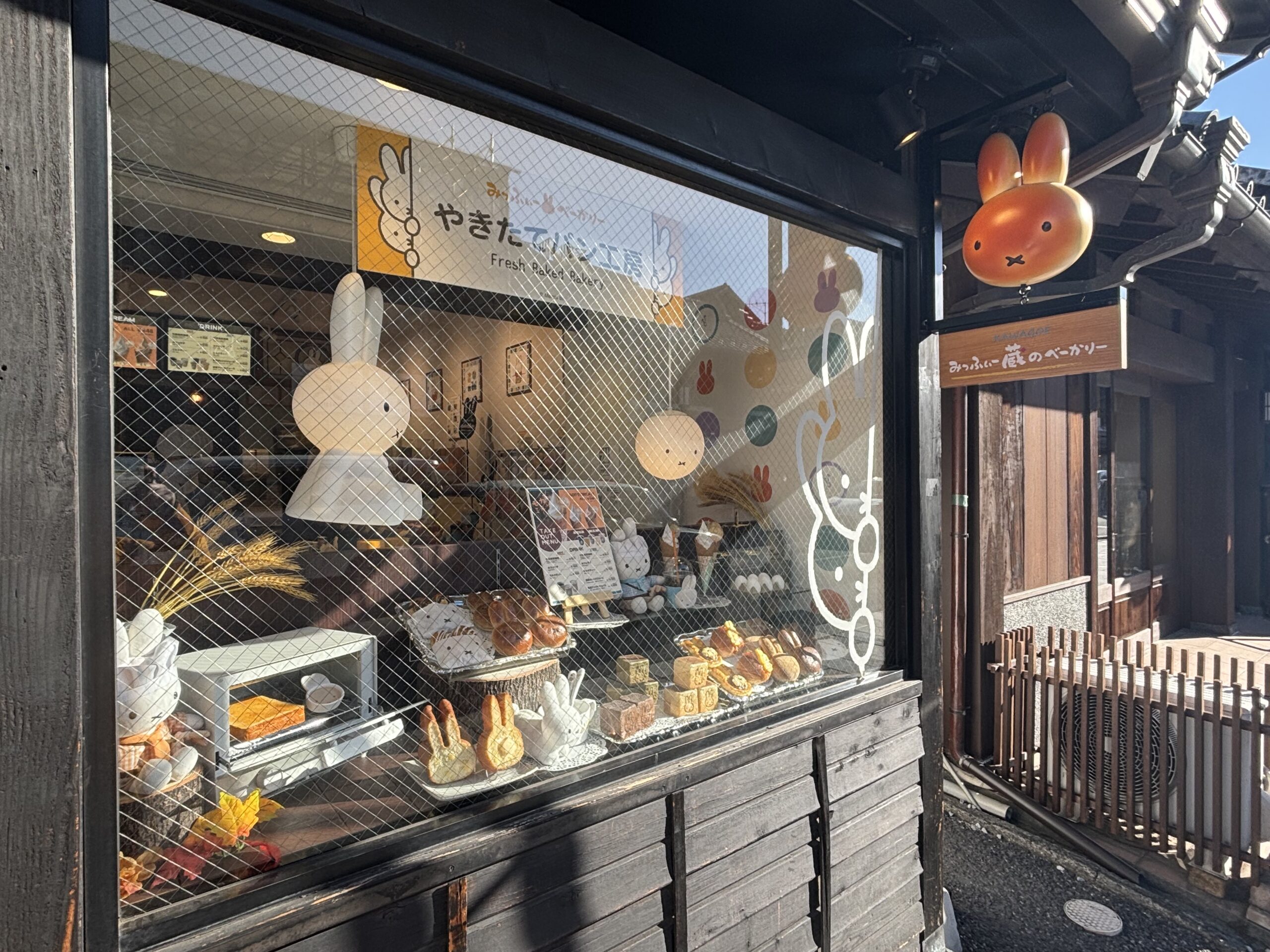
It’s a little different from the traditional townscape of Kawagoe, but “Miffy Kura no Bakery” is in Kawagoe Ichibangai.
Bread in the shape of Miffy characters is sold here, and it is a popular and cute spot.
I ate an Anpan, and it was delicious.
Kawagoe City Museum and Art Museum
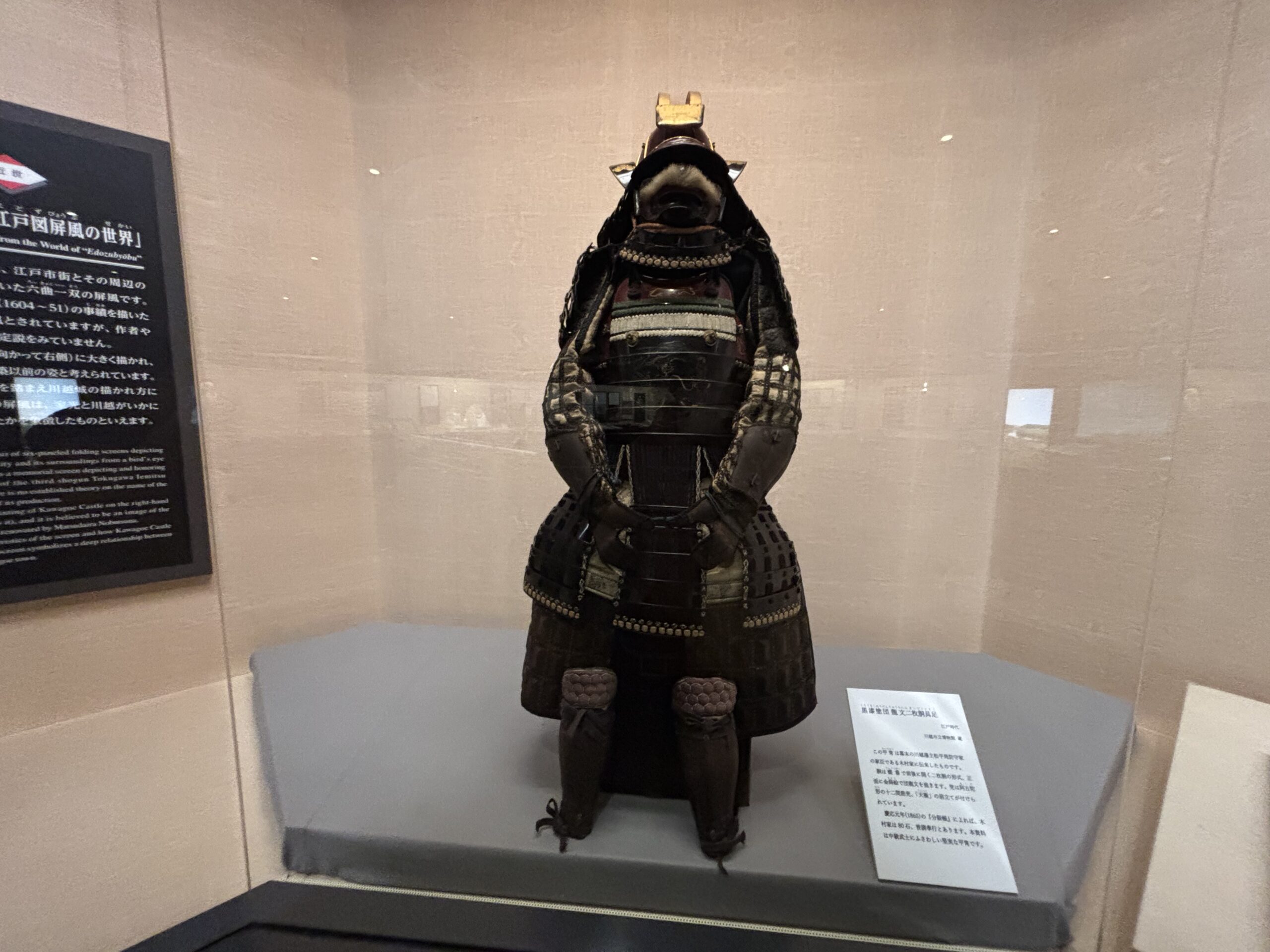
I feel it’s rare to introduce this, but it’s the “City Museum.”
Walking through tourist spots is fun, but there is history for it to become a tourist spot.
I think you can know the charm of the town more deeply by learning that history and overlapping the current scenery with the scenery that flourished in the past, so I think it’s interesting to stop by.
Kawagoe is a town that had a castle in the past and flourished as a castle town, so I recommend enjoying it including its history.
However, it is a bit far from the famous tourist spots in Kawagoe and takes about 10 minutes on foot from Hikawa Shrine. It was 200 yen per adult.
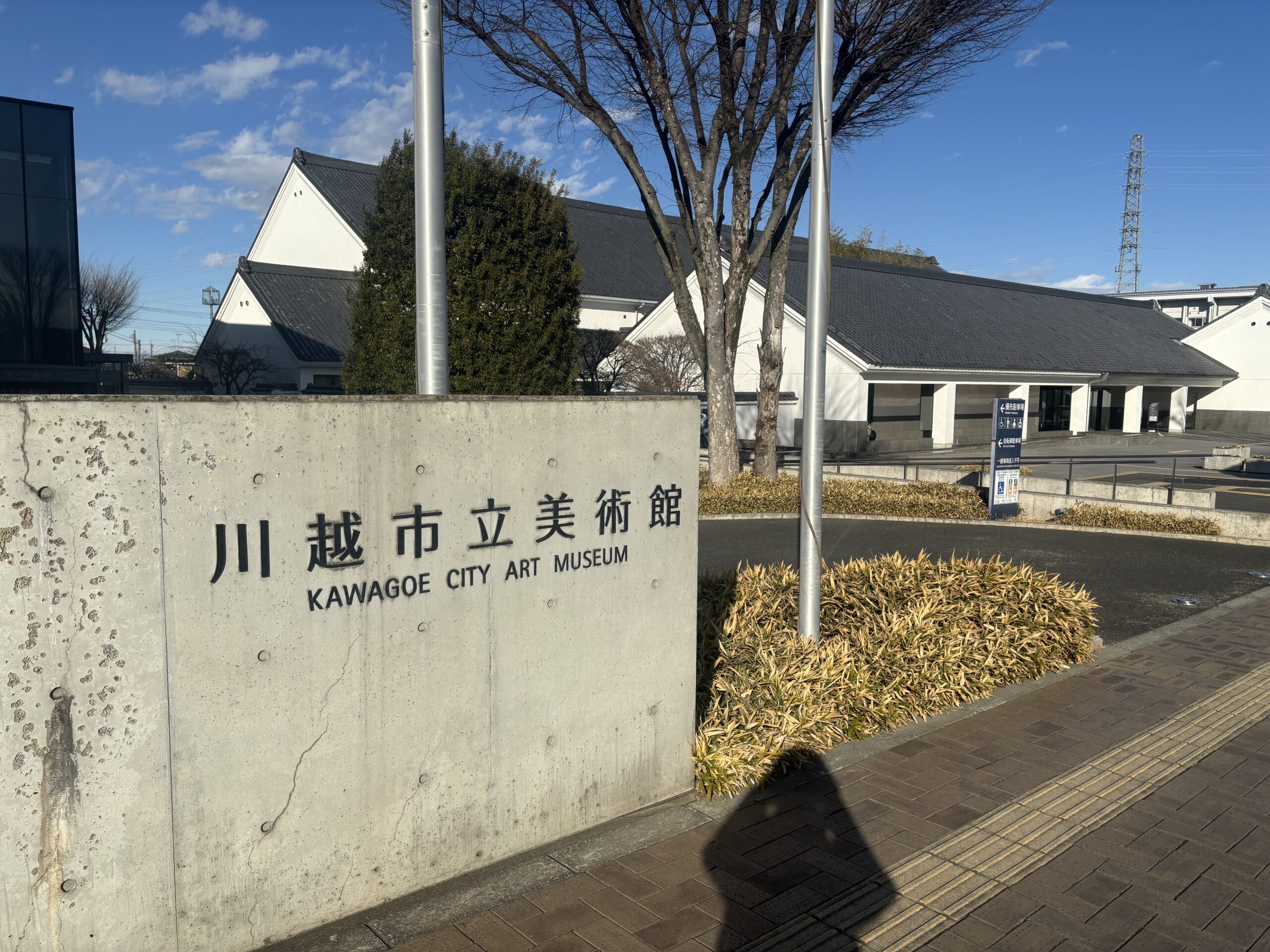
There are a city art museum and a museum, but I only went to the museum. Although it says Art Museum, the Museum is also here.
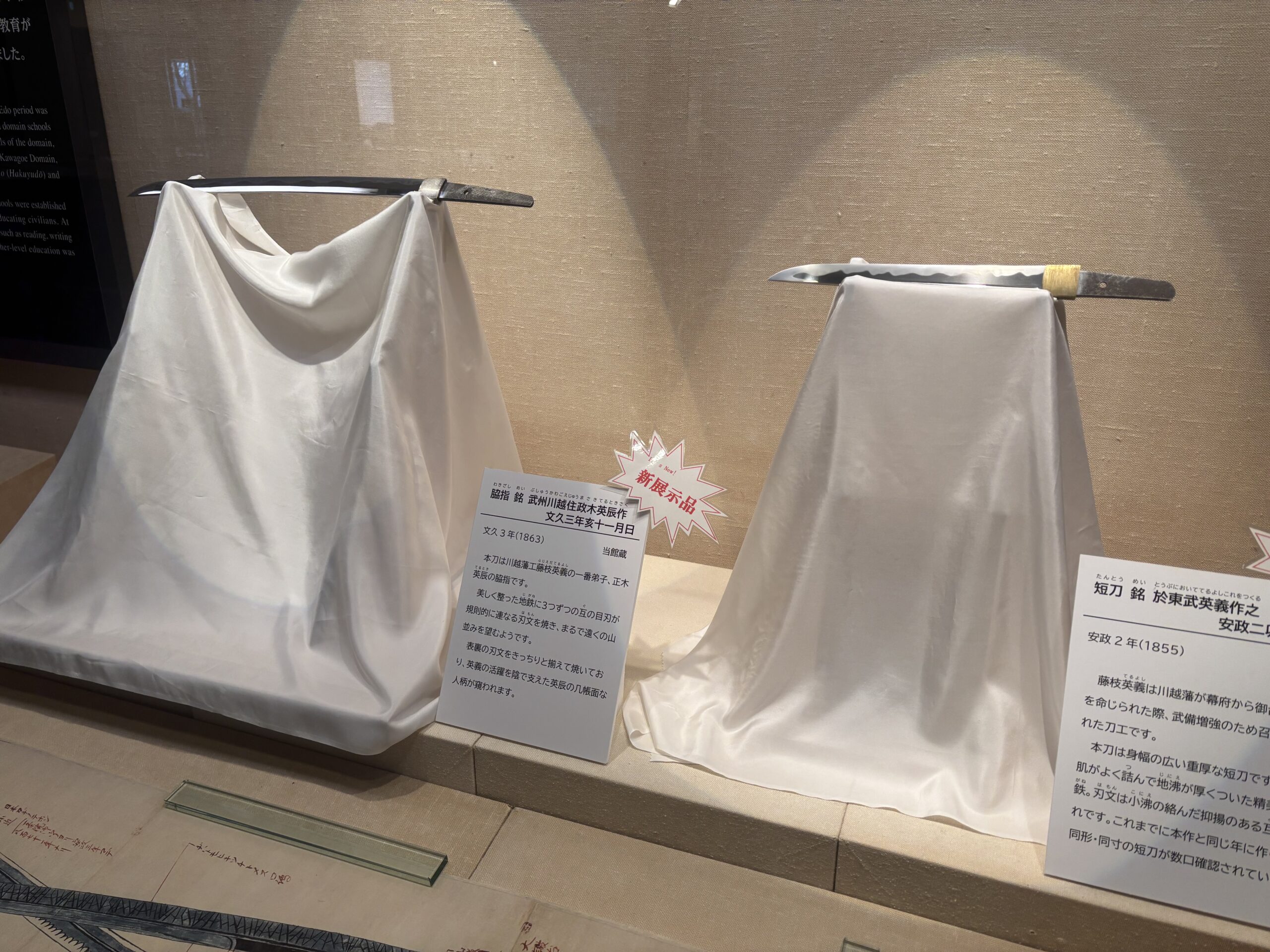
It is a real sword.
You may know that samurai often wore them at their waists. Although removed from the hilt, you can see historical swords made by real swordsmiths.
Japanese people like swords, and characters who use swords as weapons are preferred in manga and anime. I also played by pretending a stick was a sword when I was little. It’s a play called “Chanbara-gokko” in Japan. Also as an aside, I experienced a sport called “Soft Chanbara” at a festival at a nearby city gymnasium when I was a child.
You put a small balloon on your head and pop the opponent’s balloon with a soft sword.I was strong. Haha.
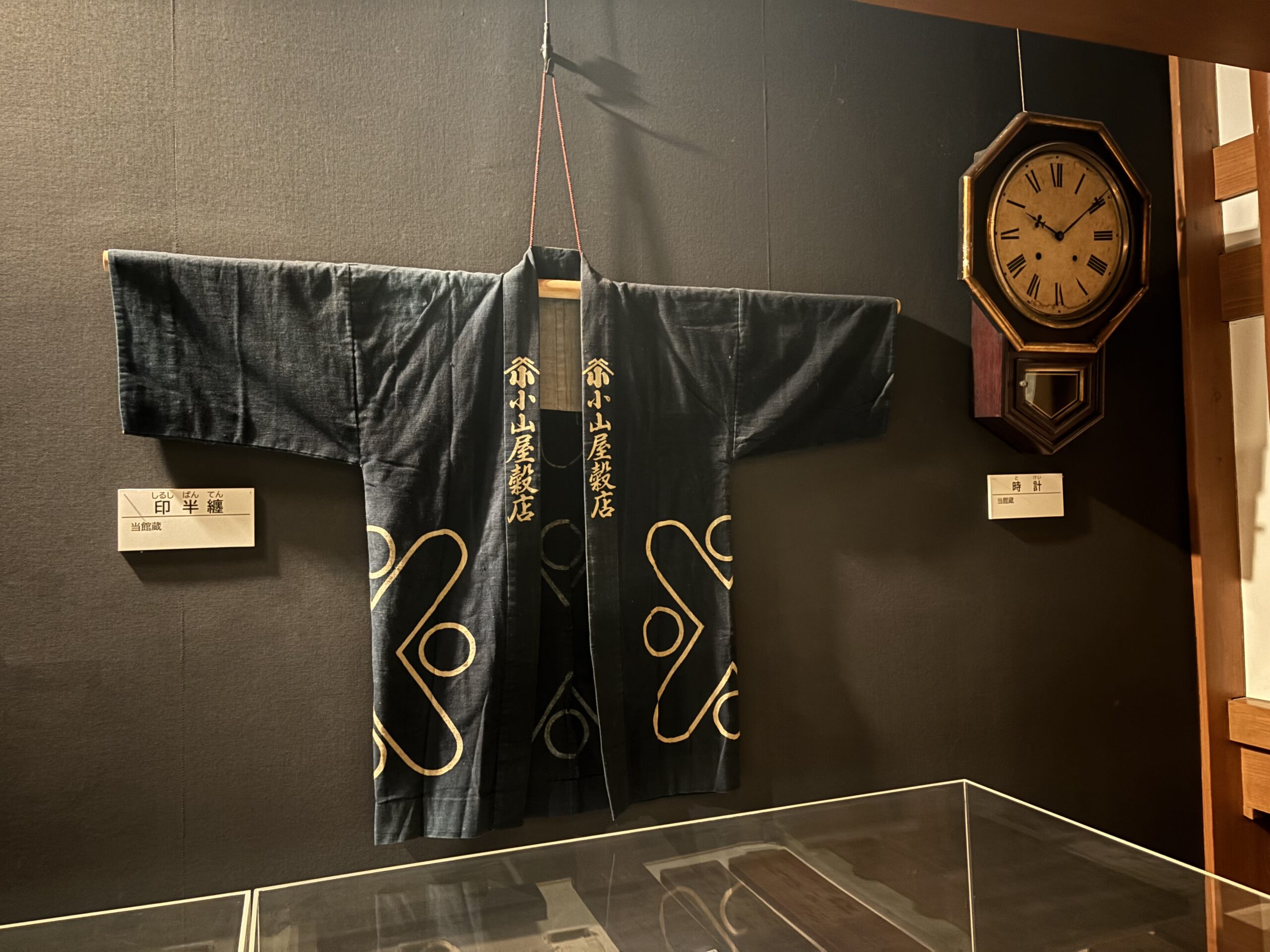
These are clothes and clocks worn by Japanese people in the past.
I wonder if it was a person from a grain store. They are clothes not seen daily among modern Japanese, but I often see them worn by people at festivals. Mainly people carrying a “Mikoshi” (portable shrine) wear them.
Regarding festivals and Mikoshi, they are often held in summer, so I will write about them in detail again then.
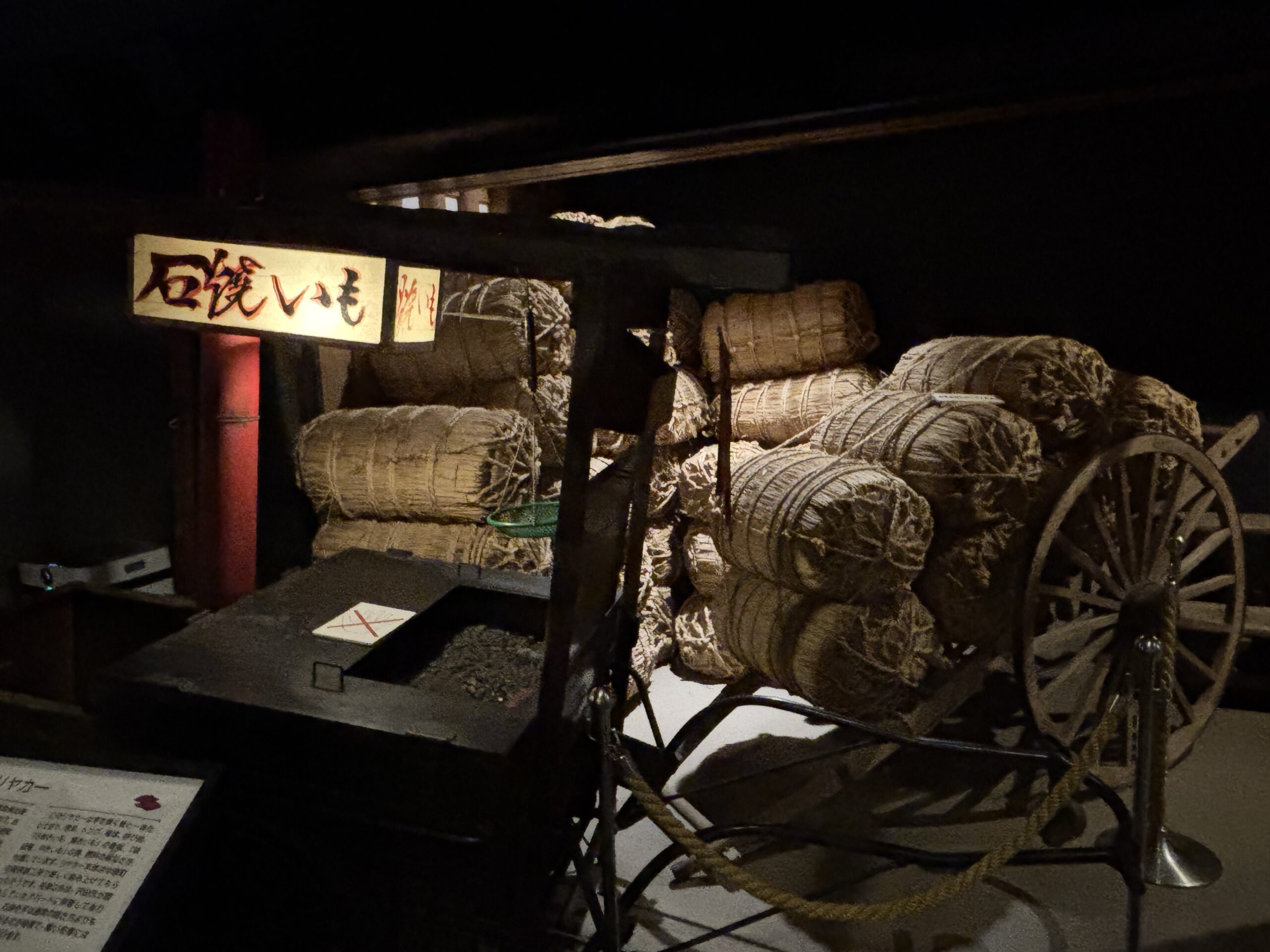
Is it a rice shop? Maybe the person from the grain store earlier was a rice shop.
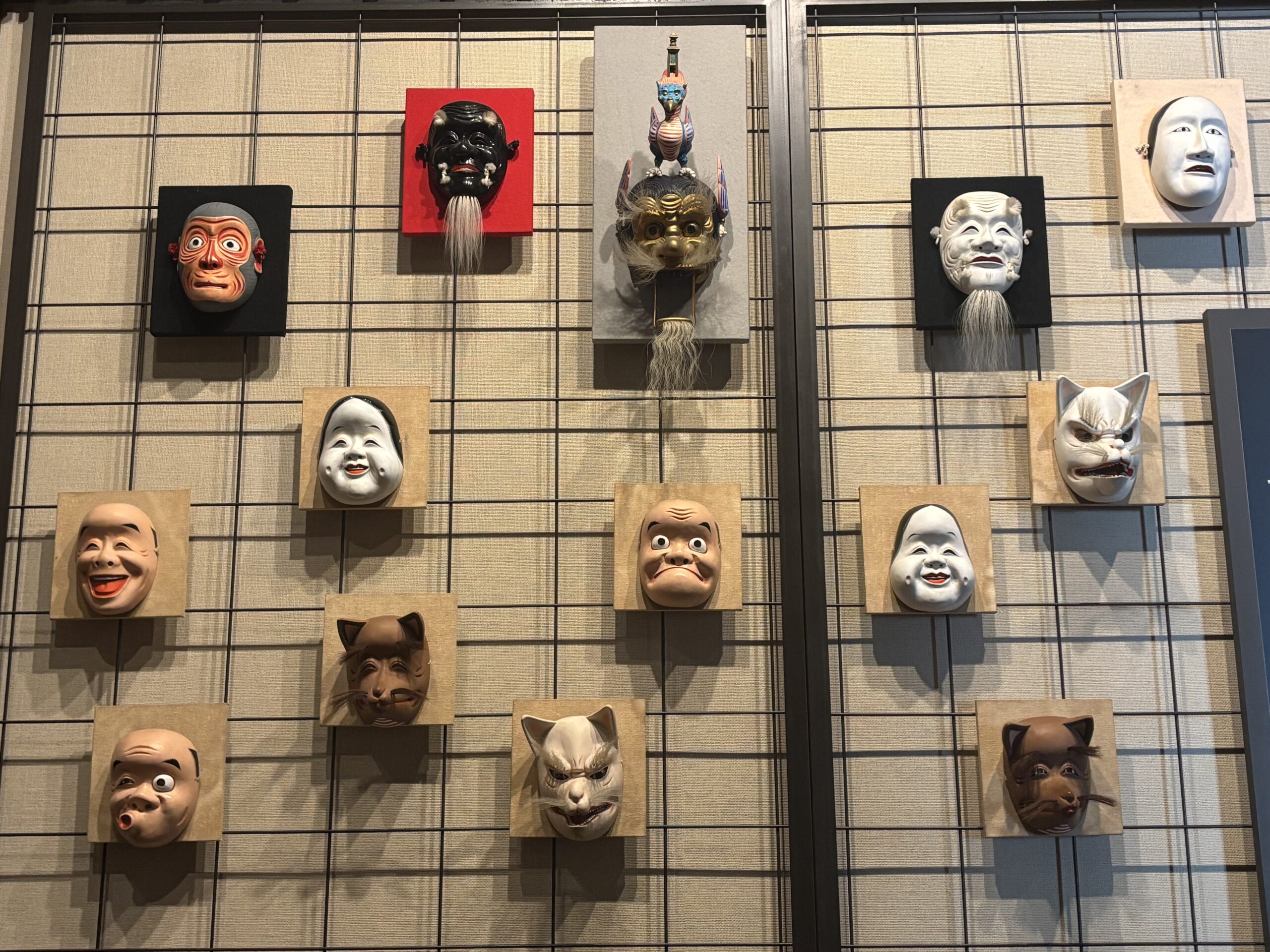
Japanese masks.
There are various types, and they are used at festivals and such. They are not this substantial, but I think Japanese children have worn a mask at least once at a festival.
Since they can be purchased at festival stalls and things of favorite characters are also sold, I used to have my parents buy them for me. I don’t know about overseas, but in Japan, at festivals, parents often give children a little money and children often go to play with each other.
Every month, I used to get an allowance and buy what I wanted or save up to buy big things, but at festival times, birthdays, Christmas, and New Year, I was happy because there were presents and temporary income.
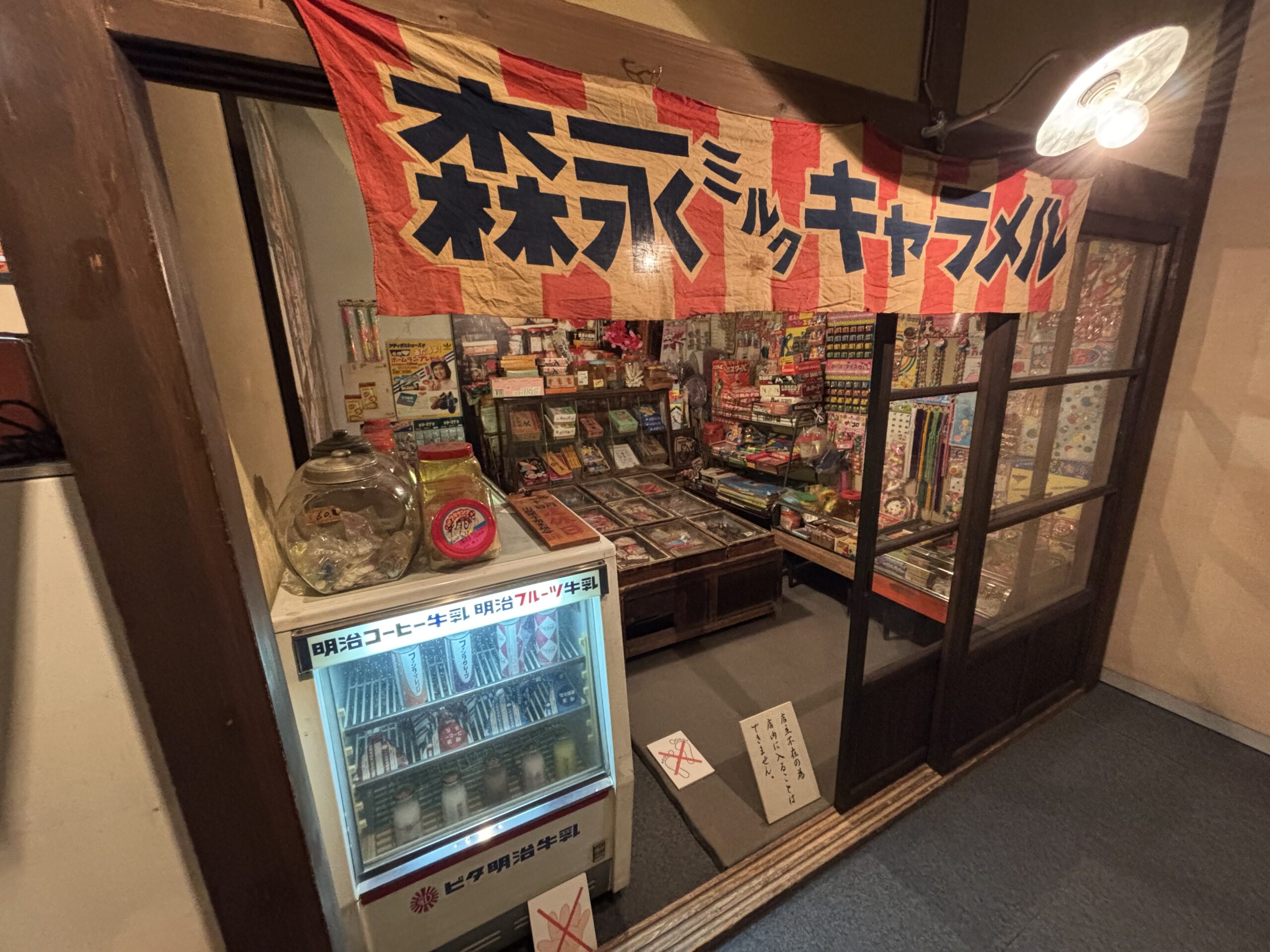
From here on, it is not a permanent exhibition but a special exhibition for a limited time, but it’s a Japanese Dagashiya (traditional candy store).
I don’t see them much recently, but I still see them occasionally. I talked about allowances earlier, and one of the ways children used their allowance was the Dagashiya.
In most cases, elderly people did it after retirement because they liked children, and basically, they were doing it with 0 yen profit. It was supported by elderly people who found it fun for children to come to play and were doing it as a hobby for children.
I liked squid snacks, but because they were expensive among dagashi, I was troubled as a child about managing my allowance while also wanting the manga published every month. When I held a 500 yen coin and bought many snacks at the Dagashiya, I intended to act like a rich person, but looking back now, the old lady of the shop was very kindly teaching me how to use money.
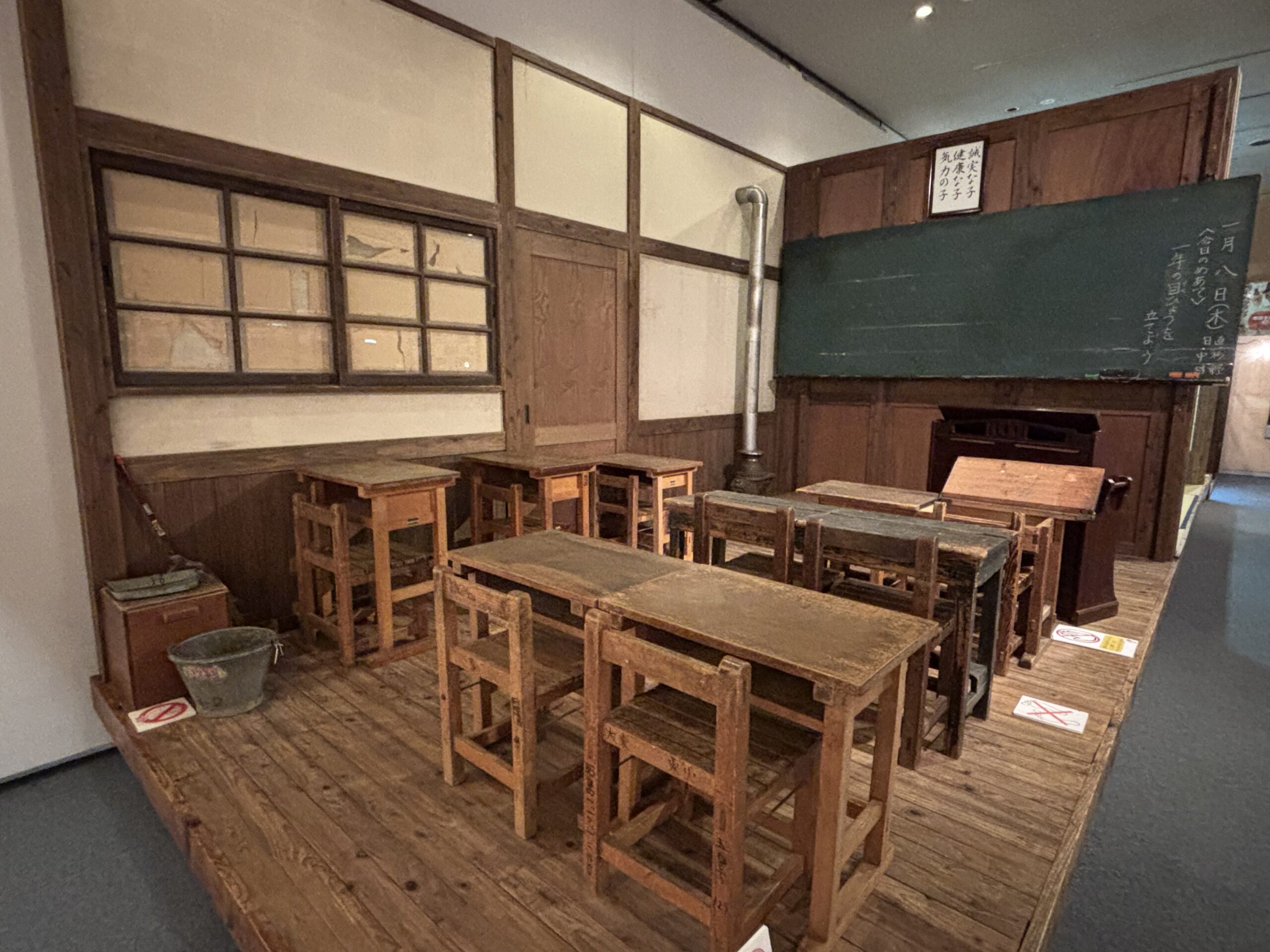
It’s an old elementary school.
When I was a child, it was newer than this, but the basic things hadn’t changed.
In elementary school days, in the morning, we split into groups with an upperclassman as a leader, met up, and when everyone was together, we walked to school. There aren’t any adults following in particular, and people in the community watch over us in their daily lives.
In school, there is a role called “Nichoku (Day duty),” and we take turns daily. Nichoku calls out during greetings before and after class, or erases what the teacher wrote on the blackboard after class.
There was a 5-minute break between classes, and a 20-minute break after 2 periods. At that time, everyone played doing what they liked, and I played soccer or dodgeball. Thinking about it now, I’m surprised we could play and come back in 20 minutes.
After studying 2 more periods from there, there is “Kyushoku (School lunch).” There is also a role called “Kyushoku Toban (Lunch duty),” and we take turns daily to carry the lunch from the lunchroom to the classroom and distribute it to everyone. When a favorite side dish appeared, we also decided who could get seconds by rock-paper-scissors.
What was popular in my time was curry rice. “Age-pan” (fried bread) was also very popular. I didn’t go this time so I didn’t include it, but there are also Age-pan shops in Kawagoe. You can get to know the taste we were fighting over and eating in school lunch, so please try eating it.
After lunch, there was cleaning time, and we cleaned the classrooms, hallways, and toilets ourselves. In the classroom, we were divided into groups like 1 group of 5 people, and roles were divided by that group unit for classes, cleaning, and lunch duty. I hated it when I was in charge of toilet cleaning, but in reality, because we were cleaning every day, it was rarely dirty. If there was a trouble, the teacher would help us too.
After cleaning, there was another 20-minute break, and I played with everyone there too. After that, there were about 1 or 2 more periods of class, and we went home around 3:00 in the afternoon either with friends or alone.
Mostly, from there until it got dark, like 5:00 or 6:00, children went out to play together and came home when it got dark. We played outside or played games at home. I was very strong at Nintendo 64’s “Super Smash Bros.,” so I used to defeat my friends all together and children from other classes would come to challenge me.
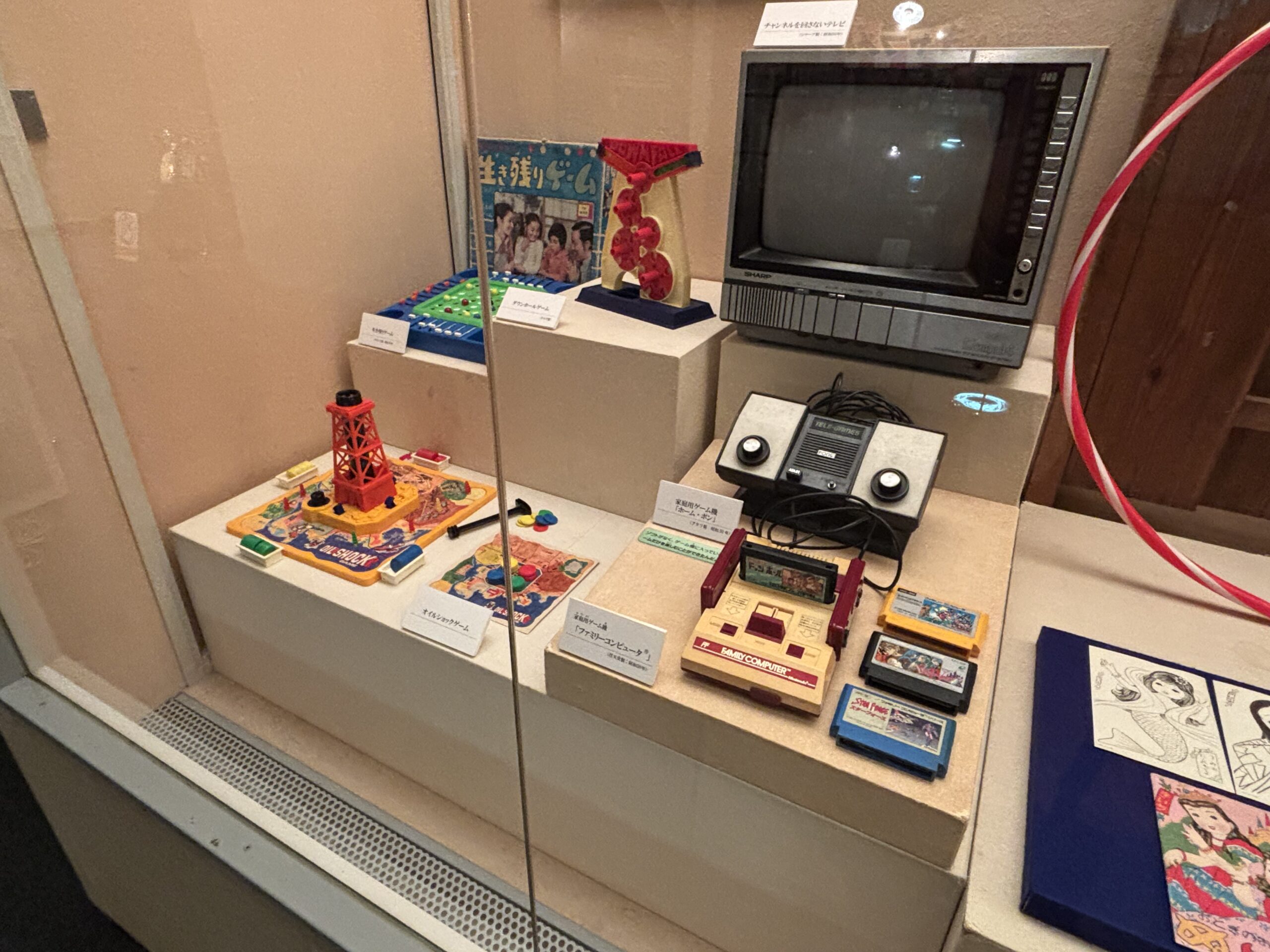
It’s quite a bit older than that, but there was also an exhibit of games.
The asides have become a bit numerous, but I hope Japanese culture was communicated even a little.
☕️Thank you for reading to the end!
I started this blog because whenever I travel abroad, I always hope to experience a country like a local.
Through this site, I simply want to share Japan the way locals actually live and enjoy it.
If this guide helped you, you’re welcome to support the project in any way you like:
• Send a small tip ($5 ☕)
• Try a digital Omikuji ($1 ⛩️) and test your luck
• Or simply book through the links on this page — at no extra cost to you
No pressure at all — your support just helps keep this project alive.
Now, go enjoy Japan to the fullest. Thank you!
コメント