♨️ Kusatsu Onsen: A Leading Japanese Hot Spring Accessible from Tokyo!
Kusatsu Onsen is a famous hot spring resort located approximately three hours from central Tokyo via expressway.
Representing Japan’s hot spring culture, Kusatsu Onsen attracts countless visitors throughout the year. It boasts one of the highest recognition levels in the country and is widely known as a “must-visit hot spring.”
The greatest characteristic of Kusatsu Onsen is its highly acidic water quality. This extremely strong acidic water is rare in Japan and is famous for its high sterilizing power. The spring water is said to be effective for skin conditions and fatigue recovery, with an old saying claiming: “No illness is cured except the sickness of love.”
While it might not cure a broken heart, it is incredibly effective for everyday fatigue!
- 🗾 Essential Information for International Travelers
- Yubatake (Hot Water Field)
- Netsu no Yu (熱乃湯 – Netsu no Yu)
- Sai-no-Kawara Rotenburo (Open-air Bath)
- Goza-no-Yu
- Otaki-no-Yu
- Choina Santou Meguri Tegata (Three-Bath Hopping Pass)
- 🤫 Hidden Gems and Must-Try Gourmet Known to Locals
- ☕️Thank you for your continued support!
🗾 Essential Information for International Travelers
Kusatsu Onsen is becoming an increasingly popular international tourist destination. Here is some useful information for those experiencing Japanese Onsen for the first time or visiting from overseas.
🛀 Japanese Onsen Culture and Etiquette
When entering a Japanese hot spring, there are several basic manners you must observe:
• Wash Before Soaking: It is mandatory to thoroughly wash your entire body using the shower or kakeyu (ladling hot water) before entering the main bathtub.
• No Swimsuits: Wearing swimsuits or underwear is prohibited in public baths, regardless of gender. You enter nude.
• Keep Towels Out of the Tub: It is bad manners to dip your towel into the bathwater. Please keep your small towel on your head or place it on the edge of the tub.
• Tattoo Policy: Many Japanese onsen facilities restrict entry for people with tattoos. However, regulations are easing; larger, more open facilities like Sai-no-Kawara Rotenburo may allow entry (though some facilities might ask you to cover smaller tattoos with plasters). It is best to check each facility’s official policy beforehand.

💰 Payment Methods and Currency Exchange
• Around Yubatake: Credit cards and QR code payments are becoming more common in souvenir shops and larger restaurants near the Yubatake.
• Small Shops: However, many smaller eateries, specific activity centers (like Yumomi), and some traditional inns still only accept cash (Japanese Yen). It’s safe to carry a reasonable amount of cash.
• Currency Exchange: There are very few currency exchange offices in the hot spring town. It is most reliable to exchange currency in major cities like Tokyo beforehand. You can sometimes withdraw Japanese Yen from ATMs at major banks or post offices using international cards.
🚌 Access from Tokyo (Recommended for Tourists)
The most recommended and straightforward way to get from Tokyo (Shinjuku/Ikebukuro) directly to Kusatsu Onsen Bus Terminal is by direct highway bus.
• Benefit: No transfers necessary, making it the easiest option.
• Travel Time: Approximately 4 to 4.5 hours.
• Booking: Advance booking is essential, especially for weekends and holidays.
Yubatake (Hot Water Field)
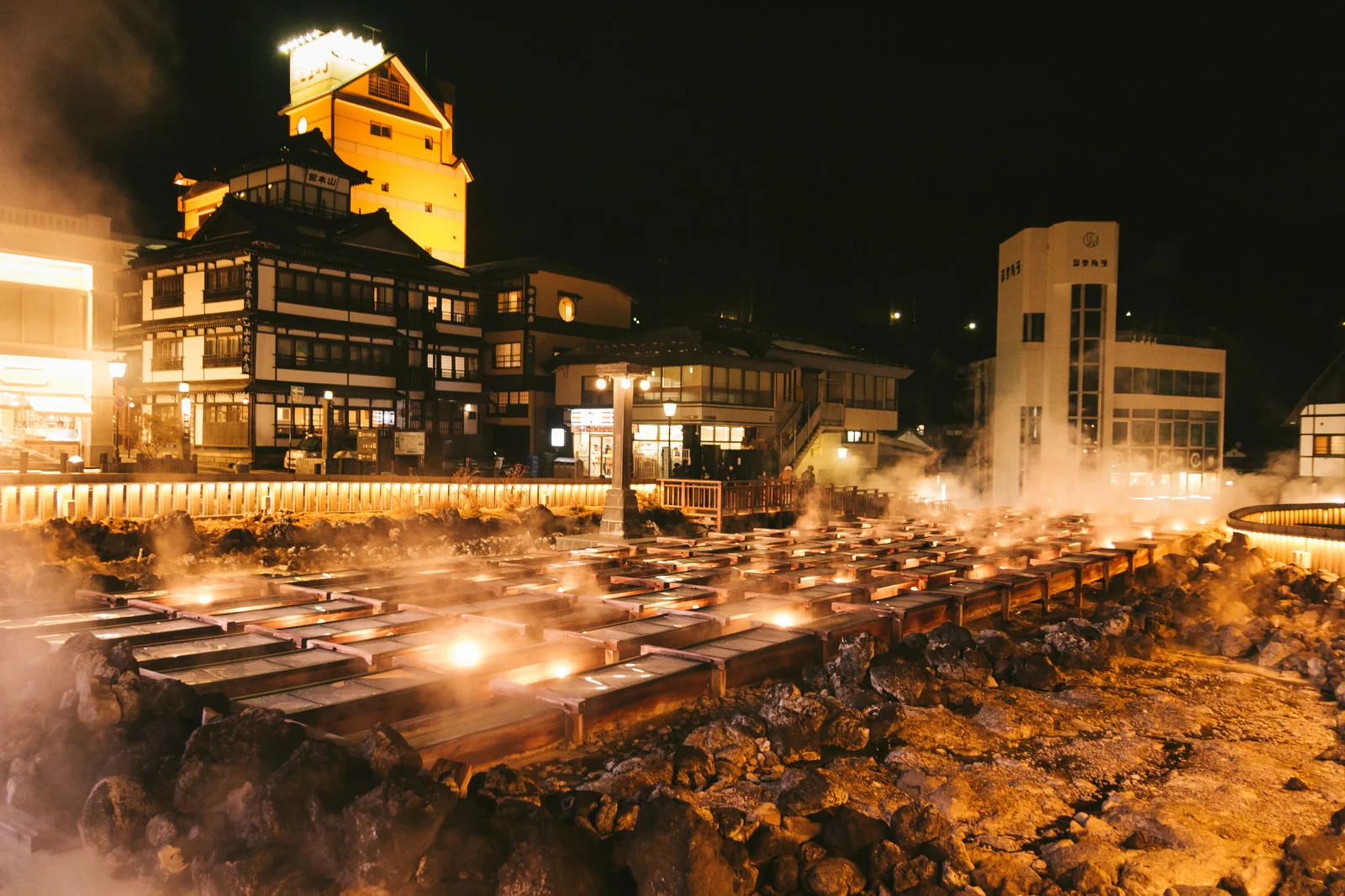
The Yubatake is the iconic sightseeing spot of Kusatsu Onsen.
It is the main source where the Yubatake Gensen (one of Kusatsu’s six primary sources) naturally bubbles up, located right at the center of the Kusatsu hot spring town. While famous as a tourist attraction, its original role is to regulate the temperature of the spring water by exposing the fresh hot water to the air.
Netsu no Yu (熱乃湯 – Netsu no Yu)
<Source: Photo AC>
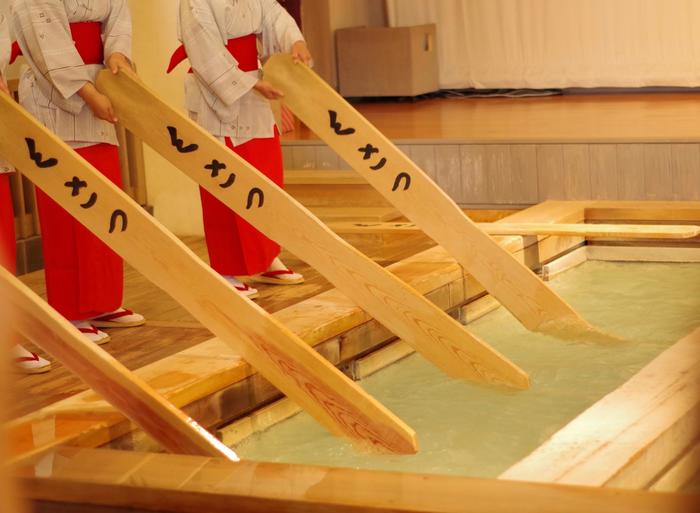
Speaking of Kusatsu, Yumomi (water kneading) is also famous.
Kusatsu’s source water is extremely hot, around 50°C (122°F), making it too hot to bathe in directly. However, diluting it with cold water would reduce the therapeutic effects of the hot spring. Therefore, the Yumomi method was devised: stirring the hot water with long wooden boards to lower the temperature without dilution. Besides lowering the temperature, Yumomi also softens the water, making it easier to bathe in. Yumomi is said to have existed since the Edo period, making it a valuable spot where you can see the wisdom of the ancestors still practiced today.
At Netsu no Yu , you can also experience the Yumomi Show.
If you are interested, please check the video of Yumomi on the linked site.
Sai-no-Kawara Rotenburo (Open-air Bath)
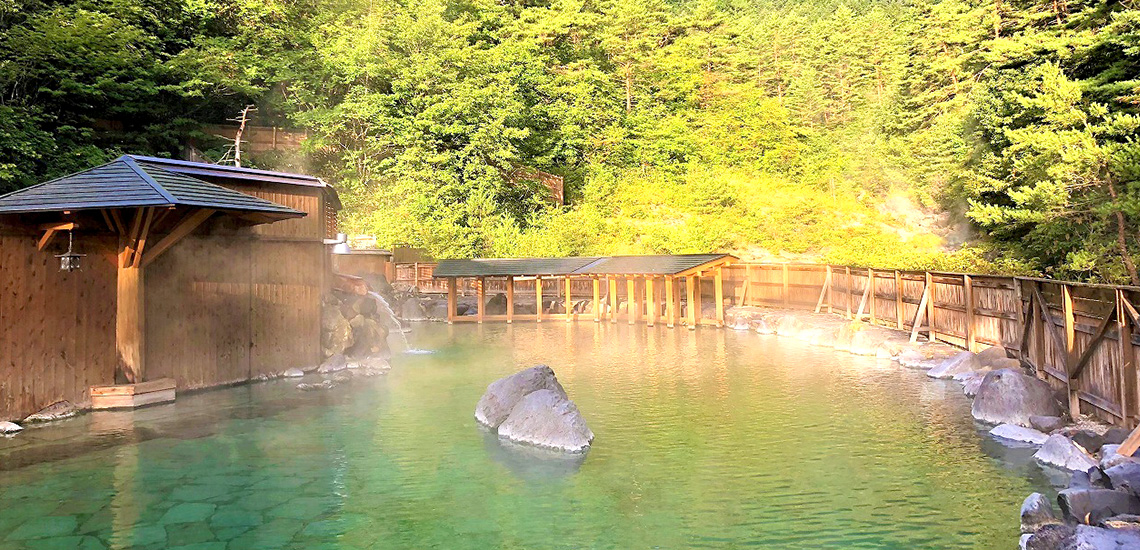
Sai-no-Kawara Rotenburo is a magnificent open-air bath surrounded by woods, offering a true sense of liberation.
It is one of the largest outdoor baths I have ever visited. Surrounded by nature, it offers a feeling of freedom, like soaking in a hot spring isolated in the great outdoors.
A unique feature is that there are no washing stations; you simply rinse off with kakeyu and enter the bath directly.
⚠️ Practical Tip: Since this is a massive open-air bath, shower facilities might be limited. Remember the rule: always perform kakeyu (washing down your body) from the separate spout or small bathing area before entering the main rotenburo.
Goza-no-Yu
<Source: Pakutaso>
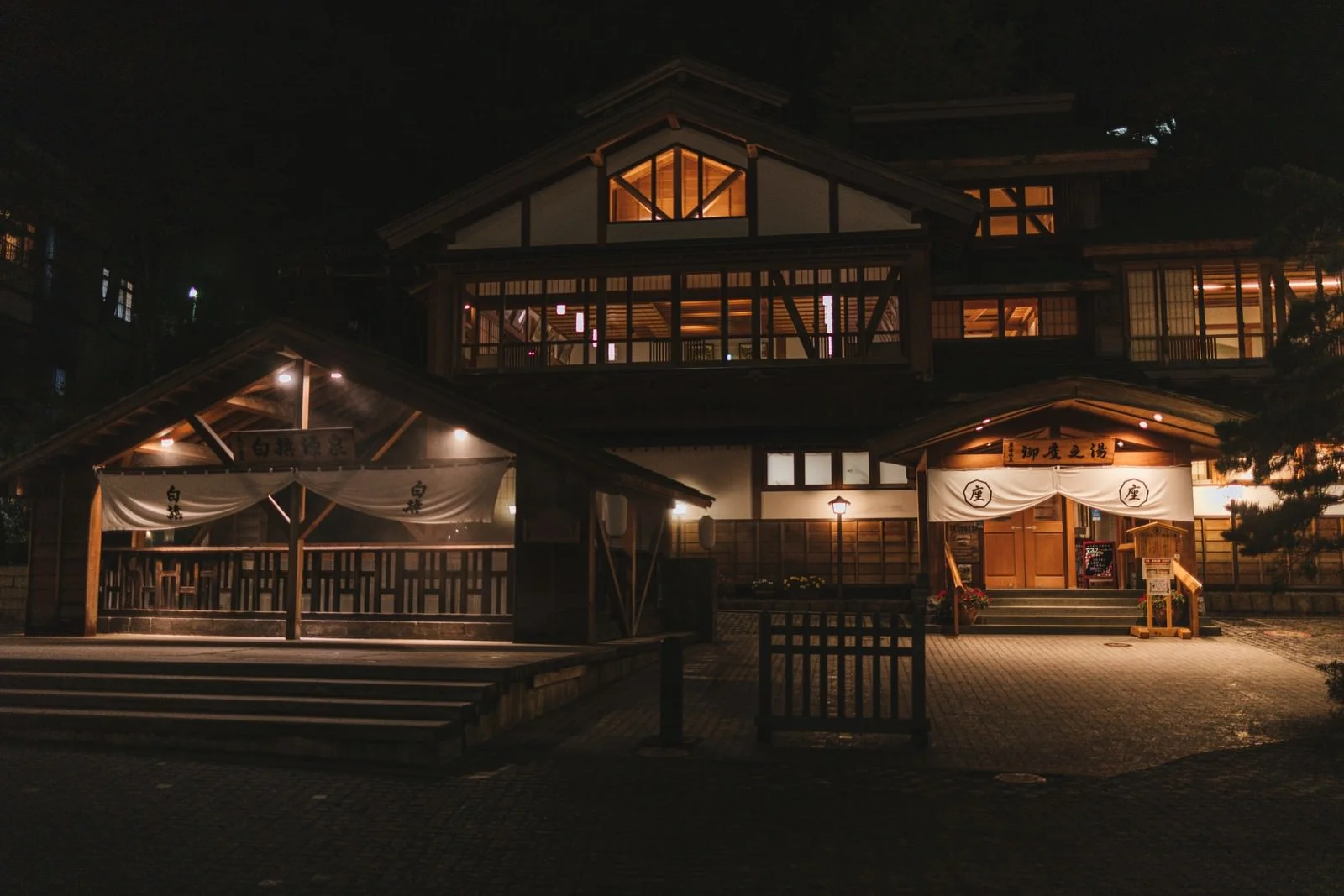
Next is Goza-no-Yu, which boasts an excellent location right in front of the Yubatake and offers the appeal of two different hot spring sources in one spot.
Located directly in front of the famous Yubatake, this bath is slightly more compact compared to the others.
Its biggest selling point is its easy access from the Yubatake and the chance to enjoy two different sources in one location. You can compare the softer Yubatake Gensen and the highly acidic Bandaiko Gensen to find your preference.
Although it is a new landmark established in 2013, opportunities to compare two distinct hot spring types in one visit are rare, so please try it out!
Otaki-no-Yu
<Source: Kusatsu Santou>
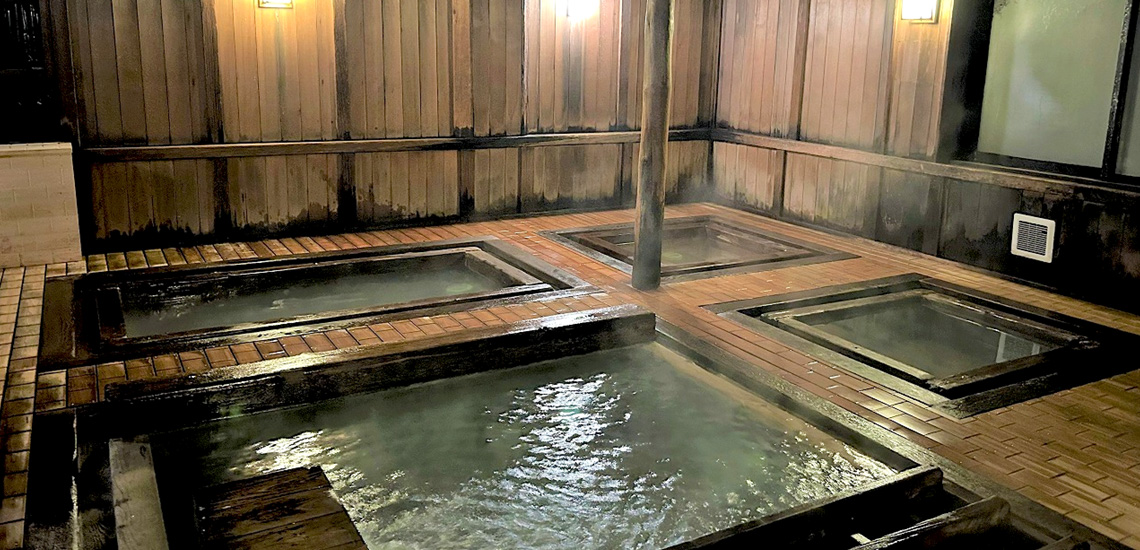
Finally, we introduce Otaki-no-Yu, where you can enjoy various types of baths, including a large public bath, an open-air bath with a hot spring waterfall, and the Awaseyu (co-ed bathing tradition, though the structure is separate for men and women).
My personal recommendations are the open-air bath and the Awaseyu located down the stairs from the rotenburo.
The open-air bath allows you to approach the hot water waterfall while enjoying the open scenery of Kusatsu, offering a relaxing experience listening to the sound of flowing water.
The Awaseyu is a bathing method passed down since the Edo period, where you move sequentially through several tubs containing different water temperatures, resting for one to three minutes after each soak. The general rule is to move from the lowest temperature bath to the highest. “By gradually increasing the temperature, the body adjusts smoothly, allowing for vascular expansion and smooth blood circulation.”
Since this is also known as a “beauty bath,” why not take this opportunity to become even more beautiful!
Choina Santou Meguri Tegata (Three-Bath Hopping Pass)
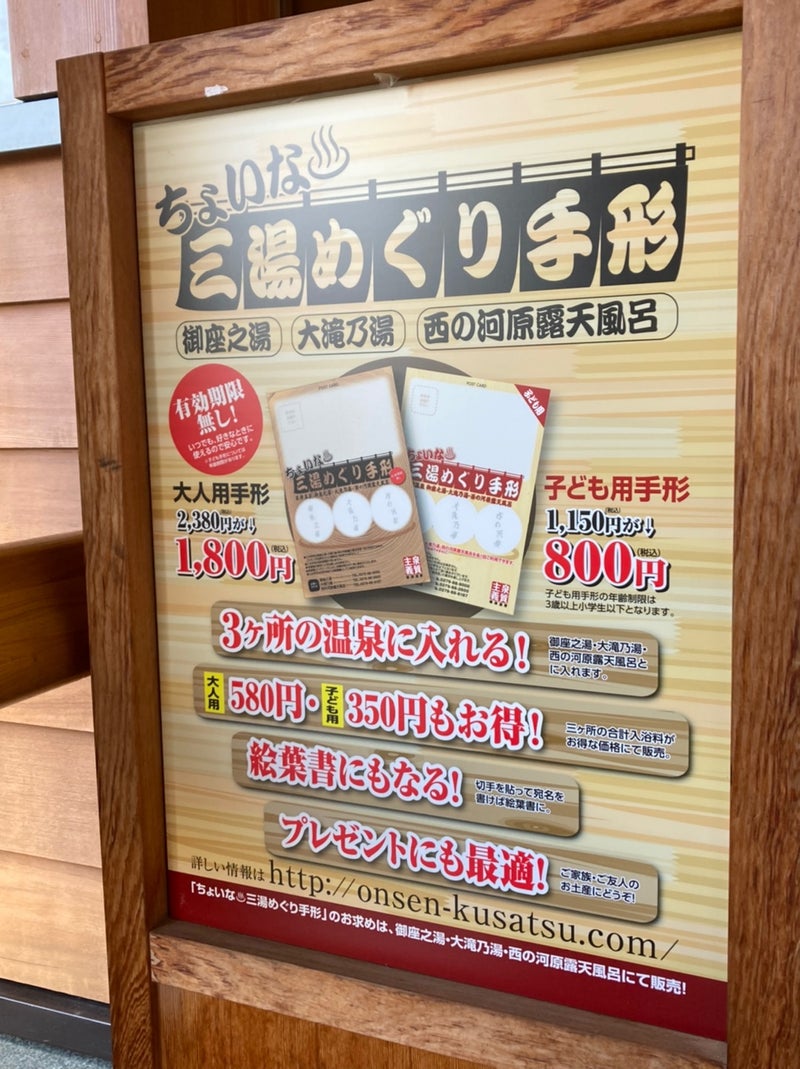
Instead of buying separate tickets for the three baths introduced here, it is more cost-effective to purchase the “Choina Santou Meguri Tegata” (Three-Bath Hopping Pass).
This pass is an advantageous set ticket that allows you to enjoy all three Kusatsu Onsen baths: Goza-no-Yu, Otaki-no-Yu, and Sai-no-Kawara Rotenburo. The combined standard price is ¥2,700 (Adults), but the pass is only ¥1,950. For children, it drops from ¥1,350 to ¥900. The best part is that there is no expiration date (Kusatsu Town HP).
Looking at the “Choina Santou Meguri Tegata” page, it states that it is sold at “each facility (Otaki-no-Yu, Goza-no-Yu, Sai-no-Kawara Rotenburo)!” So, be sure to buy one and enjoy the hot springs at a great price!
I use this pass myself, but I think it’s generally better to split the visits over two days.
When I try to hit all three in one day, it gets hot, and I feel like I’m doing a hot spring time trial. Even the staff laughed and told me, “There’s no expiration date; people usually don’t use it up in one day!”
Nevertheless, if you’re a hot spring enthusiast who insists, “No, I’ll finish it in one day!”, please challenge yourself to the Kusatsu Three-Bath Tour in a single day. You’ll get to experience what I felt!
🤫 Hidden Gems and Must-Try Gourmet Known to Locals
In addition to the famous Yubatake and the three major baths, Kusatsu offers hidden gems worth visiting and local gourmet specialties you must try.
Hidden Spots (Including Footbaths)
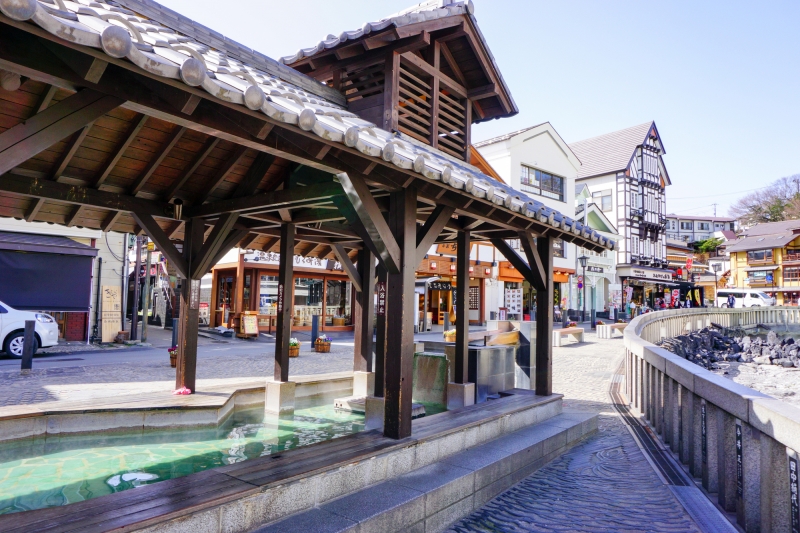
• Yubatake Footbath (Yukemuri-tei): This footbath is located right next to the Yubatake and is free to use. Since it uses Gensen Kakenagashi (free-flowing hot spring water), you can casually enjoy the high efficacy of the spring water on your feet. It is perfect for resting tired feet after a stroll and is very popular with international tourists. You can enjoy it alongside the nightly Yubatake illumination.
• <Explanation and How to Use the Footbath>
• What is a Footbath (Ashiyu)?: It is a small tub found in Japanese hot spring towns designed to warm only the area from the ankles to below the knees. The appeal is that you don’t need to undress, allowing anyone to easily experience the benefits of the hot spring.
• How to Enter:
1. Sit on the bench, take off your shoes and socks, and roll your pants up past your knees.
2. Before putting your feet in, always use the provided kakeyu (or tap water) to lightly wash the soles and between your toes to keep it clean.
3. Since the water is free-flowing from the source, it might be too hot. Don’t rush; enter your feet gradually to adjust.
4. After use, dry your feet thoroughly with a towel you brought with you.
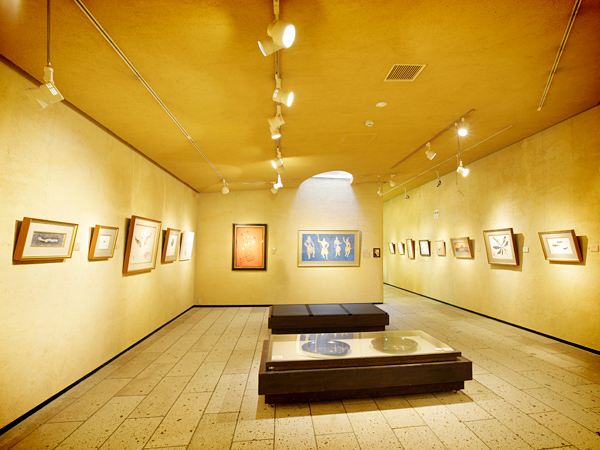
• Kataoka Tsurutaro Museum: This museum displays the works of Kataoka Tsurutaro, who is active as both an actor and an artist. Although it is a short walk from the hot spring town, it offers a calming space to appreciate his unique sensibility. It’s perfect for a rainy day or a mid-onsen break.
Recommended Gourmet
<Source: Chichiya>
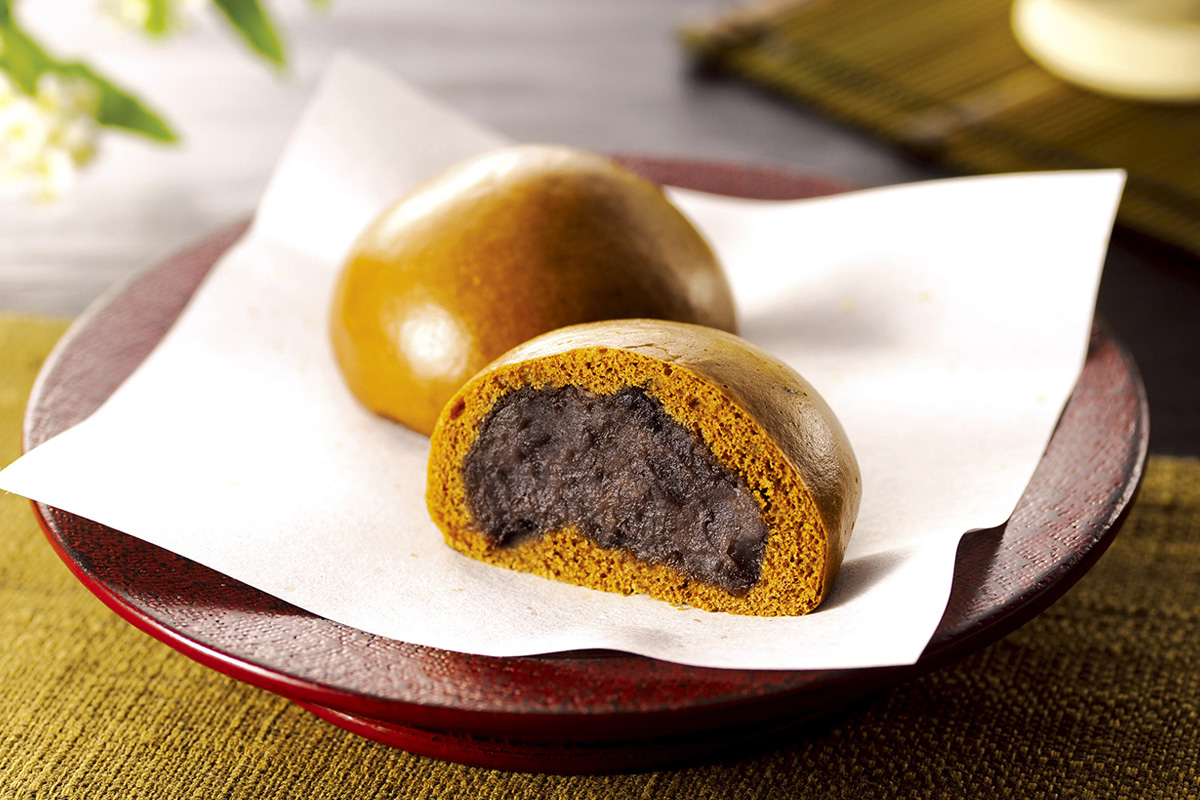
• Onsen Manju (Hot Spring Steamed Buns): Many shops line the Yubatake area, but the freshly steamed, warm ones are exceptional. Some shops even use the heat from the Yubatake to keep them warm. It’s fun to try buns from different shops!
• What is it?: This is a type of wagashi (traditional Japanese sweet). It consists of a moist, usually brown sugar-flavored skin wrapped around a filling of Anko (sweet bean paste), which is made from adzuki beans.
• The Charm: Since they are steamed using the heat from the hot springs (onsen), the freshly steamed, warm manju are exceptional. They are the perfect size for an on-the-go snack while strolling through the hot spring town.
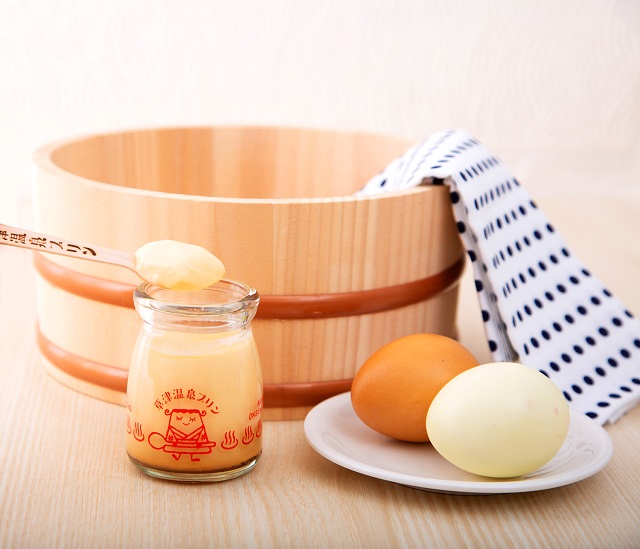
• Kusatsu Onsen Pudding: This is a specialty pudding shop located on a small alley off the Yubatake. It is slowly steamed with heat, much like an onsen egg, and is popular for its rich and smooth flavor. They offer seasonal flavors and are a perfect dessert during your walk.
• What is it?: While it’s a Western-style custard pudding, it features local touches inspired by the hot spring town. It is characterized by its rich, smooth texture, made using local milk and high-quality eggs.
• The Charm: They offer a variety of attractive flavors, such as the “Yubatake Pudding,” which is colored green to evoke the view of the Yubatake. It’s popular both as a refreshing cool-down treat after a bath and as an easy souvenir to take home.
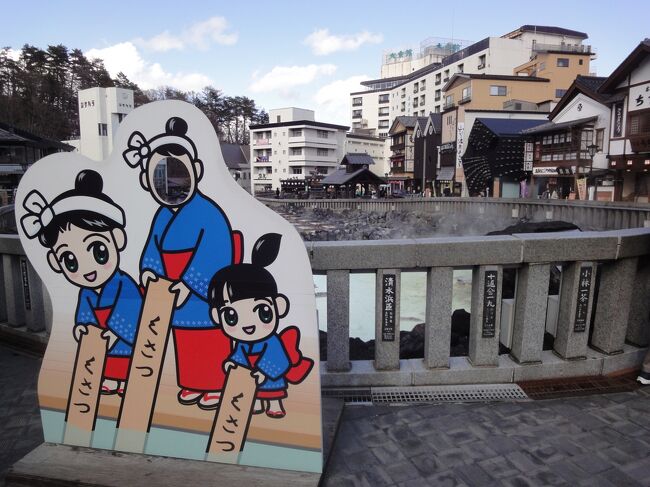
• Yumomi-chan Photo Panel (Bonus Item): Though not food, the official mascot of Kusatsu Onsen, “Yumomi-chan,” has a cut-out photo panel near the Yubatake. It’s a great spot for a quick souvenir photo!
☕️Thank you for your continued support!
Thank you for reading to the end!
I started this blog because whenever I travel abroad, I always hope to experience a country like a local.
Through this site, I simply want to share Japan the way locals actually live and enjoy it.
If this guide helped you, you’re welcome to support the project in any way you like:
• Send a small tip ($5 ☕)
• Try a digital Omikuji ($1 ⛩️) and test your luck
• Or simply book through the links on this page — at no extra cost to you
No pressure at all — your support just helps keep this project alive.
Now, go enjoy Japan to the fullest. Thank you!
コメント